Buy reinraumreinigung.eu ?
We are moving the project
reinraumreinigung.eu .
Are you interested in purchasing the domain
reinraumreinigung.eu ?
domain@kv-gmbh.de · 0541-91531010
Buy reinraumreinigung.eu ?
Which plants are considered xerophytes?
Xerophytes are plants that have adapted to survive in dry or arid environments. These plants have evolved various mechanisms to conserve water, such as deep root systems, reduced leaf surface area, and the ability to store water in their tissues. Examples of xerophytes include cacti, succulents, and certain types of grasses and shrubs that are commonly found in deserts, arid regions, and other dry habitats. These plants have developed specialized features that allow them to thrive in environments with limited water availability. **
Why do xerophytes mostly have dead hairs?
Xerophytes mostly have dead hairs because they help reduce water loss through transpiration. The dead hairs create a barrier that slows down air movement around the plant, reducing the rate of water evaporation from the plant's surface. This adaptation allows xerophytes to conserve water in arid environments where water is scarce. Additionally, dead hairs can also reflect sunlight, helping to reduce heat absorption and prevent the plant from overheating in hot, dry conditions. **

Similar search terms for Xerophytes
Top-Angebote
Products related to Xerophytes:
-
Inspire Curations PETCLEAR Pet Eye Cleaning Wipes For Tear Stain Removal & Daily Hygiene PETCLEAR Pet Eye Cleaning Wipes For Tear Stain Removal & Daily HygieneKeep your pets eyes fresh, clean, and comfortable with these pet eye wipes specially designed to help remove tear stains, dirt, and buildup around sensitive eye areas. With 200 premoistened wipes included, this convenient cleaning solution supports...58,00 $*Shipping: 0,00 $Secure redirect to the provider
-
Uplifted Finds Epidermal Sanitization Inventory (3 Pack Hub) Epidermal Sanitization Inventory (3 Pack Hub)Optimize your pets dermatological hygiene and ocular clarity with the Epidermal Sanitization Inventory, a professionalgrade maintenance system engineered with aqueouscleansing logic. This highutility 240unit logistics package features a specialized...111,97 $*Shipping: 0,00 $Secure redirect to the provider
-
Uplift Essentials Soothing Pet Eye Cleaning Wipes Advanced Tear Stain Remover And Hygiene Tissues Soothing Pet Eye Cleaning Wipes Advanced Tear Stain Remover And Hygiene TissuesThe Gentle Solution for Bright, Healthy, and StainFree EyesRestore the natural beauty of your pet's face with a specialized grooming solution designed for the most sensitive areas. These pet eye cleaning wipes are the ultimate solution for owners of...41,97 $*Shipping: 0,00 $Secure redirect to the provider
-
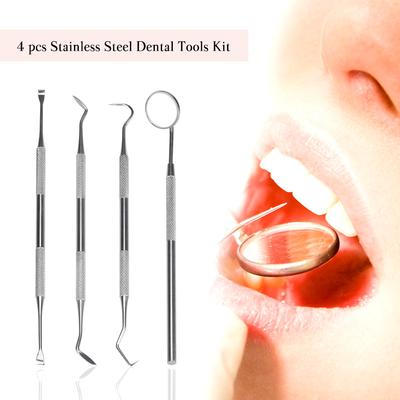
Friendly Fresh Finds Dental Hygiene Kit Plaque Remover And Tartar Scraper Set For Teeth Cleaning Dental Hygiene Kit Plaque Remover And Tartar Scraper Set For Teeth CleaningExperience a professionalgrade teeth cleaning at home with our 4Pcs Dental Hygiene Kit. Perfect for anyone who wants to maintain their oral health with precision, this set includes everything you need to remove tartar, plaque, and dental calculus....31,97 $*Shipping: 0,00 $Secure redirect to the provider



-
How do xerophytes, or dry plants, function?
Xerophytes have evolved various adaptations to survive in dry environments. Some of these adaptations include reduced leaf surface area to minimize water loss through transpiration, thick waxy cuticles to prevent water loss, and deep root systems to access water deep in the soil. Additionally, some xerophytes have the ability to store water in their stems or leaves, allowing them to survive during periods of drought. These adaptations allow xerophytes to thrive in arid and semi-arid environments where water is scarce. **
-
How do xerophytes, or desert plants, function?
Xerophytes, or desert plants, have evolved various adaptations to survive in arid environments. These adaptations include deep root systems to access water deep underground, reduced leaf surface area to minimize water loss through transpiration, and the ability to store water in their tissues. Some xerophytes also have specialized mechanisms to reflect sunlight and reduce heat absorption. Overall, these adaptations help desert plants conserve water and thrive in harsh desert conditions. **
-
What is the difference between hydrophytes and xerophytes?
Hydrophytes are plants that are adapted to live in aquatic environments, such as ponds, lakes, and marshes. They have adaptations to thrive in waterlogged soils and have specialized structures to obtain oxygen and nutrients from the water. Xerophytes, on the other hand, are plants that are adapted to live in dry, arid environments. They have adaptations to conserve water, such as reduced leaf surface area, thick cuticles, and deep root systems. These adaptations allow xerophytes to survive in environments with limited water availability. **
-
What is the difference between succulents and xerophytes?
Succulents are a type of plant that store water in their leaves, stems, or roots to survive in arid conditions. Xerophytes, on the other hand, are plants that have adapted to survive in dry environments through various mechanisms such as reduced leaf surface area, deep root systems, or waxy coatings to prevent water loss. While all succulents are xerophytes, not all xerophytes are succulents, as xerophytes encompass a broader category of plants adapted to dry conditions. **

What are xerophytes and how can they be described?
Xerophytes are plants that are adapted to survive in dry or arid environments with limited water availability. They have evolved various physiological and morphological adaptations to conserve water, such as reduced leaf surface area, thick waxy cuticles, and deep root systems to access water deep in the soil. Xerophytes can also close their stomata during the hottest part of the day to reduce water loss through transpiration. Overall, xerophytes are characterized by their ability to thrive in environments with low water availability. **
Why do mesophytes have soft leaves and xerophytes have hard leaves?
Mesophytes have soft leaves because they typically grow in environments with abundant water availability, so they do not need to conserve water. Soft leaves allow for efficient gas exchange and photosynthesis. On the other hand, xerophytes have hard leaves to reduce water loss through transpiration and to withstand harsh, dry conditions. The hardness of their leaves helps to minimize water loss and protect the plant from desiccation. **
Top-Angebote
Products related to Xerophytes:
-
Uplift Essentials Advanced Hygiene & Freshness Maintenance Essentials yellowMaintain the peak performance of your automated pet care system with the Advanced Hygiene Maintenance Essentials. This specialized collection of refills is designed to keep your hightech pet furniture operating at maximum efficiency while ensuring...73,97 $*Shipping: 0,00 $Secure redirect to the provider
-
Uplifted Finds Phyto Dermal Dental Sanitization Hub Phyto Dermal Dental Sanitization HubOptimize your pets oral hygiene and metabolic relaxation with the PhytoDermal Dental Sanitization Hub, a professionalgrade mastication module engineered with biologicalabrasion logic. This highutility enrichment unit features a specialized pure...35,97 $*Shipping: 0,00 $Secure redirect to the provider
-
Inspire Curations PETCLEAR Pet Eye Cleaning Wipes For Tear Stain Removal & Daily Hygiene PETCLEAR Pet Eye Cleaning Wipes For Tear Stain Removal & Daily HygieneKeep your pets eyes fresh, clean, and comfortable with these pet eye wipes specially designed to help remove tear stains, dirt, and buildup around sensitive eye areas. With 200 premoistened wipes included, this convenient cleaning solution supports...58,00 $*Shipping: 0,00 $Secure redirect to the provider
-
Uplifted Finds Epidermal Sanitization Inventory (3 Pack Hub) Epidermal Sanitization Inventory (3 Pack Hub)Optimize your pets dermatological hygiene and ocular clarity with the Epidermal Sanitization Inventory, a professionalgrade maintenance system engineered with aqueouscleansing logic. This highutility 240unit logistics package features a specialized...111,97 $*Shipping: 0,00 $Secure redirect to the provider
-
Which plants are considered xerophytes?
Xerophytes are plants that have adapted to survive in dry or arid environments. These plants have evolved various mechanisms to conserve water, such as deep root systems, reduced leaf surface area, and the ability to store water in their tissues. Examples of xerophytes include cacti, succulents, and certain types of grasses and shrubs that are commonly found in deserts, arid regions, and other dry habitats. These plants have developed specialized features that allow them to thrive in environments with limited water availability. **
-
Why do xerophytes mostly have dead hairs?
Xerophytes mostly have dead hairs because they help reduce water loss through transpiration. The dead hairs create a barrier that slows down air movement around the plant, reducing the rate of water evaporation from the plant's surface. This adaptation allows xerophytes to conserve water in arid environments where water is scarce. Additionally, dead hairs can also reflect sunlight, helping to reduce heat absorption and prevent the plant from overheating in hot, dry conditions. **
-
How do xerophytes, or dry plants, function?
Xerophytes have evolved various adaptations to survive in dry environments. Some of these adaptations include reduced leaf surface area to minimize water loss through transpiration, thick waxy cuticles to prevent water loss, and deep root systems to access water deep in the soil. Additionally, some xerophytes have the ability to store water in their stems or leaves, allowing them to survive during periods of drought. These adaptations allow xerophytes to thrive in arid and semi-arid environments where water is scarce. **
-
How do xerophytes, or desert plants, function?
Xerophytes, or desert plants, have evolved various adaptations to survive in arid environments. These adaptations include deep root systems to access water deep underground, reduced leaf surface area to minimize water loss through transpiration, and the ability to store water in their tissues. Some xerophytes also have specialized mechanisms to reflect sunlight and reduce heat absorption. Overall, these adaptations help desert plants conserve water and thrive in harsh desert conditions. **
Similar search terms for Xerophytes
-
Uplift Essentials Soothing Pet Eye Cleaning Wipes Advanced Tear Stain Remover And Hygiene Tissues Soothing Pet Eye Cleaning Wipes Advanced Tear Stain Remover And Hygiene TissuesThe Gentle Solution for Bright, Healthy, and StainFree EyesRestore the natural beauty of your pet's face with a specialized grooming solution designed for the most sensitive areas. These pet eye cleaning wipes are the ultimate solution for owners of...41,97 $*Shipping: 0,00 $Secure redirect to the provider
-
Friendly Fresh Finds Dental Hygiene Kit Plaque Remover And Tartar Scraper Set For Teeth Cleaning Dental Hygiene Kit Plaque Remover And Tartar Scraper Set For Teeth CleaningExperience a professionalgrade teeth cleaning at home with our 4Pcs Dental Hygiene Kit. Perfect for anyone who wants to maintain their oral health with precision, this set includes everything you need to remove tartar, plaque, and dental calculus....31,97 $*Shipping: 0,00 $Secure redirect to the provider
-
Uplift Essentials Advanced Hygiene & Freshness Maintenance Essentials whiteMaintain the peak performance of your automated pet care system with the Advanced Hygiene Maintenance Essentials. This specialized collection of refills is designed to keep your hightech pet furniture operating at maximum efficiency while ensuring...73,97 $*Shipping: 0,00 $Secure redirect to the provider
-
What is the difference between hydrophytes and xerophytes?
Hydrophytes are plants that are adapted to live in aquatic environments, such as ponds, lakes, and marshes. They have adaptations to thrive in waterlogged soils and have specialized structures to obtain oxygen and nutrients from the water. Xerophytes, on the other hand, are plants that are adapted to live in dry, arid environments. They have adaptations to conserve water, such as reduced leaf surface area, thick cuticles, and deep root systems. These adaptations allow xerophytes to survive in environments with limited water availability. **
-
What is the difference between succulents and xerophytes?
Succulents are a type of plant that store water in their leaves, stems, or roots to survive in arid conditions. Xerophytes, on the other hand, are plants that have adapted to survive in dry environments through various mechanisms such as reduced leaf surface area, deep root systems, or waxy coatings to prevent water loss. While all succulents are xerophytes, not all xerophytes are succulents, as xerophytes encompass a broader category of plants adapted to dry conditions. **
-
What are xerophytes and how can they be described?
Xerophytes are plants that are adapted to survive in dry or arid environments with limited water availability. They have evolved various physiological and morphological adaptations to conserve water, such as reduced leaf surface area, thick waxy cuticles, and deep root systems to access water deep in the soil. Xerophytes can also close their stomata during the hottest part of the day to reduce water loss through transpiration. Overall, xerophytes are characterized by their ability to thrive in environments with low water availability. **
-
Why do mesophytes have soft leaves and xerophytes have hard leaves?
Mesophytes have soft leaves because they typically grow in environments with abundant water availability, so they do not need to conserve water. Soft leaves allow for efficient gas exchange and photosynthesis. On the other hand, xerophytes have hard leaves to reduce water loss through transpiration and to withstand harsh, dry conditions. The hardness of their leaves helps to minimize water loss and protect the plant from desiccation. **
* All prices are inclusive of VAT and, if applicable, plus shipping costs. The offer information is based on the details provided by the respective shop and is updated through automated processes. Real-time updates do not occur, so deviations can occur in individual cases. ** Note: Parts of this content were created by AI.