Buy reinraumreinigung.eu ?
We are moving the project
reinraumreinigung.eu .
Are you interested in purchasing the domain
reinraumreinigung.eu ?
domain@kv-gmbh.de · 0541-91531010
Buy reinraumreinigung.eu ?
Is it utilitarian or selfish?
It depends on the specific situation and context. Utilitarianism is a moral theory that focuses on maximizing overall happiness or well-being for the greatest number of people. If an action benefits the majority of individuals and promotes the greatest good, it can be considered utilitarian. On the other hand, if an action primarily serves one's own interests without regard for others, it may be seen as selfish. Ultimately, the distinction between utilitarian and selfish behavior is determined by the impact on others and the underlying intentions of the individual. **
What is a utilitarian action?
A utilitarian action is one that aims to maximize overall happiness or well-being for the greatest number of people. In utilitarianism, the morality of an action is determined by its consequences, with the most ethical action being the one that results in the greatest overall benefit. This ethical theory focuses on the outcomes of actions rather than the intentions behind them. Utilitarian actions prioritize the greatest good for the greatest number of individuals, often requiring individuals to make decisions that may not benefit themselves personally but benefit society as a whole. **


Similar search terms for Utilitarian
Top-Angebote
Products related to Utilitarian:
-
Uplifted Finds Phyto Dermal Dental Sanitization Hub Phyto Dermal Dental Sanitization HubOptimize your pets oral hygiene and metabolic relaxation with the PhytoDermal Dental Sanitization Hub, a professionalgrade mastication module engineered with biologicalabrasion logic. This highutility enrichment unit features a specialized pure...35,97 $*Shipping: 0,00 $Secure redirect to the provider
-
Inspire Curations PETCLEAR Pet Eye Cleaning Wipes For Tear Stain Removal & Daily Hygiene PETCLEAR Pet Eye Cleaning Wipes For Tear Stain Removal & Daily HygieneKeep your pets eyes fresh, clean, and comfortable with these pet eye wipes specially designed to help remove tear stains, dirt, and buildup around sensitive eye areas. With 200 premoistened wipes included, this convenient cleaning solution supports...58,00 $*Shipping: 0,00 $Secure redirect to the provider
-
Uplifted Finds Epidermal Sanitization Inventory (3 Pack Hub) Epidermal Sanitization Inventory (3 Pack Hub)Optimize your pets dermatological hygiene and ocular clarity with the Epidermal Sanitization Inventory, a professionalgrade maintenance system engineered with aqueouscleansing logic. This highutility 240unit logistics package features a specialized...111,97 $*Shipping: 0,00 $Secure redirect to the provider
-
Uplift Essentials Soothing Pet Eye Cleaning Wipes Advanced Tear Stain Remover And Hygiene Tissues Soothing Pet Eye Cleaning Wipes Advanced Tear Stain Remover And Hygiene TissuesThe Gentle Solution for Bright, Healthy, and StainFree EyesRestore the natural beauty of your pet's face with a specialized grooming solution designed for the most sensitive areas. These pet eye cleaning wipes are the ultimate solution for owners of...41,97 $*Shipping: 0,00 $Secure redirect to the provider




-
What is the correct utilitarian solution?
The correct utilitarian solution is to maximize overall happiness and minimize overall suffering for the greatest number of people. This means making decisions that result in the greatest net benefit for the majority of individuals, even if it may not benefit everyone equally. Utilitarianism focuses on the consequences of actions and seeks to promote the greatest good for the greatest number, taking into account the well-being of all individuals affected by the decision. It also emphasizes the importance of considering long-term effects and the potential impact on future generations. **
-
What is the utilitarian ethics of Bentham and Mill?
Utilitarian ethics, as proposed by Jeremy Bentham and John Stuart Mill, is a consequentialist theory that focuses on maximizing overall happiness or pleasure and minimizing pain or suffering. According to Bentham, actions should be judged based on their ability to produce the greatest amount of pleasure for the greatest number of people, known as the principle of utility. Mill expanded on this by introducing the concept of higher and lower pleasures, arguing that intellectual and moral pleasures are more valuable than physical pleasures. Both Bentham and Mill believed that the ultimate goal of ethics should be to promote the greatest happiness for the greatest number of individuals. **
-
What are the differences between deontological ethics and utilitarian ethics?
Deontological ethics, also known as duty-based ethics, focuses on the inherent rightness or wrongness of actions themselves, regardless of their consequences. It emphasizes following moral rules and duties, such as telling the truth or keeping promises, based on principles like the categorical imperative. On the other hand, utilitarian ethics, also known as consequentialist ethics, prioritizes the outcomes or consequences of actions. It aims to maximize overall happiness or well-being for the greatest number of people, often through the calculation of benefits and harms. While deontological ethics emphasizes duty and rules, utilitarian ethics prioritizes the greatest good for the greatest number. **
-
What is the difference between deontological ethics and utilitarian ethics?
Deontological ethics, also known as duty-based ethics, focuses on the inherent rightness or wrongness of actions themselves, regardless of their consequences. This means that certain actions are considered morally right or wrong based on whether they adhere to a set of rules or principles. On the other hand, utilitarian ethics, also known as consequentialist ethics, evaluates the morality of actions based on their outcomes or consequences. In utilitarianism, the rightness or wrongness of an action is determined by its ability to produce the greatest overall happiness or pleasure for the greatest number of people. **

How can one justify euthanasia from a utilitarian and deontological perspective?
From a utilitarian perspective, euthanasia can be justified if it results in the greatest overall happiness and minimizes suffering for the individual and their loved ones. If the person is in unbearable pain and their quality of life is extremely poor, euthanasia may be seen as the most compassionate choice to end their suffering. From a deontological perspective, euthanasia can be justified if it respects the individual's autonomy and right to make decisions about their own life and death. If the person has made a well-informed and voluntary decision to end their life, then it can be seen as morally permissible to honor their wishes. However, deontological ethics also emphasize the importance of respecting the sanctity of life, so the decision to pursue euthanasia should be carefully considered in light of these conflicting principles. **
How can euthanasia be justified from a utilitarian and deontological perspective?
From a utilitarian perspective, euthanasia can be justified if it results in the greatest overall happiness and minimizes suffering. If a terminally ill patient is in extreme pain and has no hope of recovery, euthanasia could be seen as a compassionate act that ends their suffering. From a deontological perspective, euthanasia can be justified if it upholds the principle of respecting an individual's autonomy and right to make decisions about their own life. If a person has made a rational and informed decision to end their life, then respecting their autonomy could be seen as a moral duty. However, deontological ethics also emphasize the importance of not treating individuals as mere means to an end, so careful consideration must be given to ensure that euthanasia is not being used for ulterior motives. **
Top-Angebote
Products related to Utilitarian:
-
Convenient Shelf,Utilitarian Corner Shelf,Wall Corner BookshelfConvenient Shelf,Utilitarian Corner Shelf,Wall Corner Bookshelf A Perfect Fit - Check out our newest star - a slick and vintage-themed 5-tiered rack. You'll find it to be an ideal fit for any nook and cranny in your house or workspace.206,99 $*Shipping: 0,00 $Secure redirect to the provider
-
Uplift Essentials Advanced Hygiene & Freshness Maintenance Essentials yellowMaintain the peak performance of your automated pet care system with the Advanced Hygiene Maintenance Essentials. This specialized collection of refills is designed to keep your hightech pet furniture operating at maximum efficiency while ensuring...73,97 $*Shipping: 0,00 $Secure redirect to the provider
-
Uplifted Finds Phyto Dermal Dental Sanitization Hub Phyto Dermal Dental Sanitization HubOptimize your pets oral hygiene and metabolic relaxation with the PhytoDermal Dental Sanitization Hub, a professionalgrade mastication module engineered with biologicalabrasion logic. This highutility enrichment unit features a specialized pure...35,97 $*Shipping: 0,00 $Secure redirect to the provider
-
Inspire Curations PETCLEAR Pet Eye Cleaning Wipes For Tear Stain Removal & Daily Hygiene PETCLEAR Pet Eye Cleaning Wipes For Tear Stain Removal & Daily HygieneKeep your pets eyes fresh, clean, and comfortable with these pet eye wipes specially designed to help remove tear stains, dirt, and buildup around sensitive eye areas. With 200 premoistened wipes included, this convenient cleaning solution supports...58,00 $*Shipping: 0,00 $Secure redirect to the provider
-
Is it utilitarian or selfish?
It depends on the specific situation and context. Utilitarianism is a moral theory that focuses on maximizing overall happiness or well-being for the greatest number of people. If an action benefits the majority of individuals and promotes the greatest good, it can be considered utilitarian. On the other hand, if an action primarily serves one's own interests without regard for others, it may be seen as selfish. Ultimately, the distinction between utilitarian and selfish behavior is determined by the impact on others and the underlying intentions of the individual. **
-
What is a utilitarian action?
A utilitarian action is one that aims to maximize overall happiness or well-being for the greatest number of people. In utilitarianism, the morality of an action is determined by its consequences, with the most ethical action being the one that results in the greatest overall benefit. This ethical theory focuses on the outcomes of actions rather than the intentions behind them. Utilitarian actions prioritize the greatest good for the greatest number of individuals, often requiring individuals to make decisions that may not benefit themselves personally but benefit society as a whole. **
-
What is the correct utilitarian solution?
The correct utilitarian solution is to maximize overall happiness and minimize overall suffering for the greatest number of people. This means making decisions that result in the greatest net benefit for the majority of individuals, even if it may not benefit everyone equally. Utilitarianism focuses on the consequences of actions and seeks to promote the greatest good for the greatest number, taking into account the well-being of all individuals affected by the decision. It also emphasizes the importance of considering long-term effects and the potential impact on future generations. **
-
What is the utilitarian ethics of Bentham and Mill?
Utilitarian ethics, as proposed by Jeremy Bentham and John Stuart Mill, is a consequentialist theory that focuses on maximizing overall happiness or pleasure and minimizing pain or suffering. According to Bentham, actions should be judged based on their ability to produce the greatest amount of pleasure for the greatest number of people, known as the principle of utility. Mill expanded on this by introducing the concept of higher and lower pleasures, arguing that intellectual and moral pleasures are more valuable than physical pleasures. Both Bentham and Mill believed that the ultimate goal of ethics should be to promote the greatest happiness for the greatest number of individuals. **
Similar search terms for Utilitarian
-
Uplifted Finds Epidermal Sanitization Inventory (3 Pack Hub) Epidermal Sanitization Inventory (3 Pack Hub)Optimize your pets dermatological hygiene and ocular clarity with the Epidermal Sanitization Inventory, a professionalgrade maintenance system engineered with aqueouscleansing logic. This highutility 240unit logistics package features a specialized...111,97 $*Shipping: 0,00 $Secure redirect to the provider
-
Uplift Essentials Soothing Pet Eye Cleaning Wipes Advanced Tear Stain Remover And Hygiene Tissues Soothing Pet Eye Cleaning Wipes Advanced Tear Stain Remover And Hygiene TissuesThe Gentle Solution for Bright, Healthy, and StainFree EyesRestore the natural beauty of your pet's face with a specialized grooming solution designed for the most sensitive areas. These pet eye cleaning wipes are the ultimate solution for owners of...41,97 $*Shipping: 0,00 $Secure redirect to the provider
-
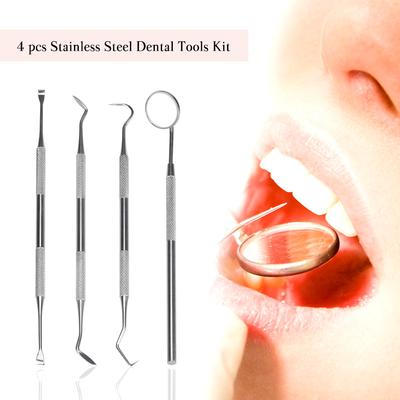
Friendly Fresh Finds Dental Hygiene Kit Plaque Remover And Tartar Scraper Set For Teeth Cleaning Dental Hygiene Kit Plaque Remover And Tartar Scraper Set For Teeth CleaningExperience a professionalgrade teeth cleaning at home with our 4Pcs Dental Hygiene Kit. Perfect for anyone who wants to maintain their oral health with precision, this set includes everything you need to remove tartar, plaque, and dental calculus....31,97 $*Shipping: 0,00 $Secure redirect to the provider
-
Uplift Essentials Advanced Hygiene & Freshness Maintenance Essentials whiteMaintain the peak performance of your automated pet care system with the Advanced Hygiene Maintenance Essentials. This specialized collection of refills is designed to keep your hightech pet furniture operating at maximum efficiency while ensuring...73,97 $*Shipping: 0,00 $Secure redirect to the provider
-
What are the differences between deontological ethics and utilitarian ethics?
Deontological ethics, also known as duty-based ethics, focuses on the inherent rightness or wrongness of actions themselves, regardless of their consequences. It emphasizes following moral rules and duties, such as telling the truth or keeping promises, based on principles like the categorical imperative. On the other hand, utilitarian ethics, also known as consequentialist ethics, prioritizes the outcomes or consequences of actions. It aims to maximize overall happiness or well-being for the greatest number of people, often through the calculation of benefits and harms. While deontological ethics emphasizes duty and rules, utilitarian ethics prioritizes the greatest good for the greatest number. **
-
What is the difference between deontological ethics and utilitarian ethics?
Deontological ethics, also known as duty-based ethics, focuses on the inherent rightness or wrongness of actions themselves, regardless of their consequences. This means that certain actions are considered morally right or wrong based on whether they adhere to a set of rules or principles. On the other hand, utilitarian ethics, also known as consequentialist ethics, evaluates the morality of actions based on their outcomes or consequences. In utilitarianism, the rightness or wrongness of an action is determined by its ability to produce the greatest overall happiness or pleasure for the greatest number of people. **
-
How can one justify euthanasia from a utilitarian and deontological perspective?
From a utilitarian perspective, euthanasia can be justified if it results in the greatest overall happiness and minimizes suffering for the individual and their loved ones. If the person is in unbearable pain and their quality of life is extremely poor, euthanasia may be seen as the most compassionate choice to end their suffering. From a deontological perspective, euthanasia can be justified if it respects the individual's autonomy and right to make decisions about their own life and death. If the person has made a well-informed and voluntary decision to end their life, then it can be seen as morally permissible to honor their wishes. However, deontological ethics also emphasize the importance of respecting the sanctity of life, so the decision to pursue euthanasia should be carefully considered in light of these conflicting principles. **
-
How can euthanasia be justified from a utilitarian and deontological perspective?
From a utilitarian perspective, euthanasia can be justified if it results in the greatest overall happiness and minimizes suffering. If a terminally ill patient is in extreme pain and has no hope of recovery, euthanasia could be seen as a compassionate act that ends their suffering. From a deontological perspective, euthanasia can be justified if it upholds the principle of respecting an individual's autonomy and right to make decisions about their own life. If a person has made a rational and informed decision to end their life, then respecting their autonomy could be seen as a moral duty. However, deontological ethics also emphasize the importance of not treating individuals as mere means to an end, so careful consideration must be given to ensure that euthanasia is not being used for ulterior motives. **
* All prices are inclusive of VAT and, if applicable, plus shipping costs. The offer information is based on the details provided by the respective shop and is updated through automated processes. Real-time updates do not occur, so deviations can occur in individual cases. ** Note: Parts of this content were created by AI.