Buy reinraumreinigung.eu ?
We are moving the project
reinraumreinigung.eu .
Are you interested in purchasing the domain
reinraumreinigung.eu ?
domain@kv-gmbh.de · 0541-91531010
Buy reinraumreinigung.eu ?
Which orange peel can you eat?
You can eat the peel of organic oranges that have not been treated with any chemicals or pesticides. These oranges are safe to eat whole, including the peel, as long as they have been thoroughly washed. The peel of organic oranges can add extra flavor and nutrients to your diet. **
What is meant by "orange peel skin"?
"Orange peel skin" is a term used to describe the appearance of skin that has a dimpled or bumpy texture, similar to the surface of an orange peel. This texture is often associated with cellulite, a condition in which fat deposits push through the connective tissue beneath the skin, creating a dimpled appearance. **


Similar search terms for RoomMates-Orange-Aztec-Peel
Top-Angebote
Products related to RoomMates-Orange-Aztec-Peel:
-
Roommates Finlayson Orange & Grey Latvus Peel and Stick WallpaperCaptive the look and feel of a nature-inspired forest in any room with Orange Latvus Peel & Stick Wallpaper by RoomMates. Simple and affordable, give walls, decor and accessories a refreshing transformation with very little effort.38,99 $*Shipping: 0,00 $Secure redirect to the provider
-
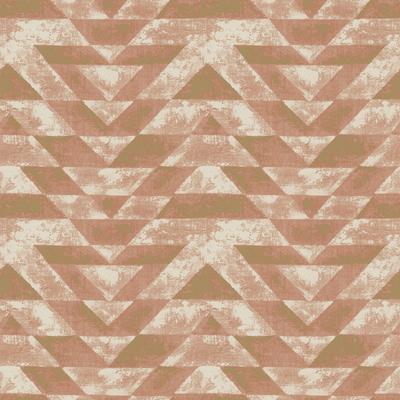
RoomMates Orange & Pink Southwest Geometric Peel and Stick WallpaperGive walls an edgy transformation with Orange Southwest Geometric Peel and Stick Wallpaper by RoomMates. This bold geometric pattern creates a designer loft vibe with minimal effort.36,99 $*Shipping: 0,00 $Secure redirect to the provider
-
Roommates Orange Cat Coquillette Jaguars Peel and Stick WallpaperSimple yet statement making, CatCoq Jaguars Peel and Stick Wallpaper is sure to catch the eye of everyone who enters your home. This whimsical pattern creates a space for the mind to wander.37,79 $*Shipping: 0,00 $Secure redirect to the provider



-
Is orange juice made with the peel?
Orange juice is typically made by squeezing the juice from the pulp of the orange fruit, not the peel. The peel is not usually used in the process of making orange juice as it can add a bitter taste to the juice. However, some recipes may call for a small amount of zest (grated peel) to be added for extra flavor. **
-
How do you peel a tough orange?
To peel a tough orange, start by rolling the orange on a hard surface to help loosen the peel. Then, use a sharp knife to make a shallow cut around the circumference of the orange, being careful not to cut too deep into the flesh. Next, use your fingers to gently pry the peel away from the flesh, working your way around the orange until the peel is completely removed. If the peel is still tough to remove, you can also try soaking the orange in warm water for a few minutes to help soften the peel. **
-
What are shimmering scales when peeling orange peel?
Shimmering scales when peeling an orange peel are the tiny droplets of essential oils that are released from the peel as it is being removed. These oils contain compounds that give the orange its distinctive aroma and flavor. The shimmering effect is caused by the reflection of light off the oil droplets, creating a beautiful and enticing visual display. **
-
Why do painted surfaces get orange peel texture?
Painted surfaces can develop an orange peel texture due to a variety of reasons, including improper application techniques, environmental conditions, or the quality of the paint itself. One common cause is when the paint is applied too thickly or unevenly, leading to the formation of small bumps and ridges as it dries. Additionally, high humidity or temperature fluctuations during the drying process can also contribute to the development of an orange peel texture. Using the wrong type of paint or not properly preparing the surface before painting can also result in this texture. **


What are shimmering scale flakes when peeling orange peel?
Shimmering scale flakes are tiny, iridescent pieces that are left behind when peeling an orange. These flakes are the oil glands found in the orange peel, which contain aromatic compounds that give the orange its distinct scent and flavor. When the peel is removed, these oil glands are exposed and can appear as shimmering flakes on the surface of the peel. **
Can you also eat the peel of the orange?
Yes, the peel of an orange is edible, but it is not commonly eaten due to its bitter taste and tough texture. Some people use orange zest (the grated peel) to add flavor to dishes, but eating the peel itself is not very common. If you do choose to eat the peel, make sure to wash the orange thoroughly to remove any pesticides or dirt. **
Top-Angebote
Products related to RoomMates-Orange-Aztec-Peel:
-
Roommates Finlayson Orange & Grey Latvus Peel and Stick WallpaperCaptive the look and feel of a nature-inspired forest in any room with Orange Latvus Peel & Stick Wallpaper by RoomMates. Simple and affordable, give walls, decor and accessories a refreshing transformation with very little effort.38,99 $*Shipping: 0,00 $Secure redirect to the provider
-
Which orange peel can you eat?
You can eat the peel of organic oranges that have not been treated with any chemicals or pesticides. These oranges are safe to eat whole, including the peel, as long as they have been thoroughly washed. The peel of organic oranges can add extra flavor and nutrients to your diet. **
-
What is meant by "orange peel skin"?
"Orange peel skin" is a term used to describe the appearance of skin that has a dimpled or bumpy texture, similar to the surface of an orange peel. This texture is often associated with cellulite, a condition in which fat deposits push through the connective tissue beneath the skin, creating a dimpled appearance. **
-
Is orange juice made with the peel?
Orange juice is typically made by squeezing the juice from the pulp of the orange fruit, not the peel. The peel is not usually used in the process of making orange juice as it can add a bitter taste to the juice. However, some recipes may call for a small amount of zest (grated peel) to be added for extra flavor. **
-
How do you peel a tough orange?
To peel a tough orange, start by rolling the orange on a hard surface to help loosen the peel. Then, use a sharp knife to make a shallow cut around the circumference of the orange, being careful not to cut too deep into the flesh. Next, use your fingers to gently pry the peel away from the flesh, working your way around the orange until the peel is completely removed. If the peel is still tough to remove, you can also try soaking the orange in warm water for a few minutes to help soften the peel. **
Similar search terms for RoomMates-Orange-Aztec-Peel
-
RoomMates Orange & Pink Southwest Geometric Peel and Stick WallpaperGive walls an edgy transformation with Orange Southwest Geometric Peel and Stick Wallpaper by RoomMates. This bold geometric pattern creates a designer loft vibe with minimal effort.36,99 $*Shipping: 0,00 $Secure redirect to the provider
-
Roommates Orange Cat Coquillette Jaguars Peel and Stick WallpaperSimple yet statement making, CatCoq Jaguars Peel and Stick Wallpaper is sure to catch the eye of everyone who enters your home. This whimsical pattern creates a space for the mind to wander.37,79 $*Shipping: 0,00 $Secure redirect to the provider
-
RoomMates Orange & White Mid-Century Beads Peel and Stick WallpaperGive walls an edgy transformation with Orange Mid-Century Beads Peel and Stick Wallpaper by RoomMates. This bold geometric pattern creates a designer loft vibe with minimal effort.42,99 $*Shipping: 0,00 $Secure redirect to the provider
-
RoomMates Enchanted Forest Damask Orange & Linden Peel and Stick WallpaperAdd some woodland whimsy to your space with this enchanted forest peel and stick wallpaper by RoomMates Décor. Charming mushrooms and foliage make way for graceful moths and butterflies in this cottagecore damask print.54,49 $*Shipping: 0,00 $Secure redirect to the provider
-
What are shimmering scales when peeling orange peel?
Shimmering scales when peeling an orange peel are the tiny droplets of essential oils that are released from the peel as it is being removed. These oils contain compounds that give the orange its distinctive aroma and flavor. The shimmering effect is caused by the reflection of light off the oil droplets, creating a beautiful and enticing visual display. **
-
Why do painted surfaces get orange peel texture?
Painted surfaces can develop an orange peel texture due to a variety of reasons, including improper application techniques, environmental conditions, or the quality of the paint itself. One common cause is when the paint is applied too thickly or unevenly, leading to the formation of small bumps and ridges as it dries. Additionally, high humidity or temperature fluctuations during the drying process can also contribute to the development of an orange peel texture. Using the wrong type of paint or not properly preparing the surface before painting can also result in this texture. **
-
What are shimmering scale flakes when peeling orange peel?
Shimmering scale flakes are tiny, iridescent pieces that are left behind when peeling an orange. These flakes are the oil glands found in the orange peel, which contain aromatic compounds that give the orange its distinct scent and flavor. When the peel is removed, these oil glands are exposed and can appear as shimmering flakes on the surface of the peel. **
-
Can you also eat the peel of the orange?
Yes, the peel of an orange is edible, but it is not commonly eaten due to its bitter taste and tough texture. Some people use orange zest (the grated peel) to add flavor to dishes, but eating the peel itself is not very common. If you do choose to eat the peel, make sure to wash the orange thoroughly to remove any pesticides or dirt. **
* All prices are inclusive of VAT and, if applicable, plus shipping costs. The offer information is based on the details provided by the respective shop and is updated through automated processes. Real-time updates do not occur, so deviations can occur in individual cases. ** Note: Parts of this content were created by AI.