Buy reinraumreinigung.eu ?
We are moving the project
reinraumreinigung.eu .
Are you interested in purchasing the domain
reinraumreinigung.eu ?
domain@kv-gmbh.de · 0541-91531010
Buy reinraumreinigung.eu ?
How does a single-celled organism become a multicellular organism?
A single-celled organism can become a multicellular organism through a process called cell division and specialization. Initially, the single cell undergoes multiple rounds of cell division, resulting in a cluster of cells. These cells then start to differentiate and specialize in their functions, forming different types of tissues and organs. Through further cell division, specialization, and coordination, these cells organize themselves into a complex multicellular organism with various cell types working together to perform specific functions. This process is known as cellular differentiation and is essential for the development of multicellular organisms. **
How did the unicellular organism evolve into a multicellular organism?
The evolution of unicellular organisms into multicellular organisms is believed to have occurred through a process called coloniality. Initially, unicellular organisms formed colonies where individual cells worked together for survival. Over time, some cells within these colonies specialized in specific functions, leading to the development of multicellular organisms with different cell types. This specialization allowed for more complex structures and functions, ultimately leading to the evolution of multicellular organisms. **


Similar search terms for Organism
Top-Angebote
Products related to Organism:
-
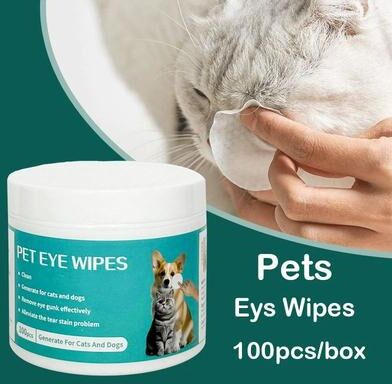
Inspire Curations PETCLEAR Pet Eye Cleaning Wipes For Tear Stain Removal & Daily Hygiene PETCLEAR Pet Eye Cleaning Wipes For Tear Stain Removal & Daily HygieneKeep your pets eyes fresh, clean, and comfortable with these pet eye wipes specially designed to help remove tear stains, dirt, and buildup around sensitive eye areas. With 200 premoistened wipes included, this convenient cleaning solution supports...58,00 $*Shipping: 0,00 $Secure redirect to the provider
-
Uplifted Finds Epidermal Sanitization Inventory (3 Pack Hub) Epidermal Sanitization Inventory (3 Pack Hub)Optimize your pets dermatological hygiene and ocular clarity with the Epidermal Sanitization Inventory, a professionalgrade maintenance system engineered with aqueouscleansing logic. This highutility 240unit logistics package features a specialized...111,97 $*Shipping: 0,00 $Secure redirect to the provider
-
Uplift Essentials Soothing Pet Eye Cleaning Wipes Advanced Tear Stain Remover And Hygiene Tissues Soothing Pet Eye Cleaning Wipes Advanced Tear Stain Remover And Hygiene TissuesThe Gentle Solution for Bright, Healthy, and StainFree EyesRestore the natural beauty of your pet's face with a specialized grooming solution designed for the most sensitive areas. These pet eye cleaning wipes are the ultimate solution for owners of...41,97 $*Shipping: 0,00 $Secure redirect to the provider
-
Friendly Fresh Finds Dental Hygiene Kit Plaque Remover And Tartar Scraper Set For Teeth Cleaning Dental Hygiene Kit Plaque Remover And Tartar Scraper Set For Teeth CleaningExperience a professionalgrade teeth cleaning at home with our 4Pcs Dental Hygiene Kit. Perfect for anyone who wants to maintain their oral health with precision, this set includes everything you need to remove tartar, plaque, and dental calculus....31,97 $*Shipping: 0,00 $Secure redirect to the provider



-
How can a single-celled organism become a multicellular organism?
A single-celled organism can become a multicellular organism through a process called cell aggregation. This occurs when individual cells come together and adhere to each other, forming a multicellular structure. Over time, these cells differentiate and specialize to perform specific functions within the organism, leading to the development of tissues and organs. This process allows the single-celled organism to evolve into a complex, multicellular organism with a higher level of organization and specialization. **
-
How did the single-celled organism develop into a multicellular organism?
The transition from single-celled to multicellular organisms is thought to have occurred through a process called coloniality, where individual cells began to work together and specialize in different functions. This allowed for more efficient resource utilization and increased the organism's ability to adapt to different environments. Over time, these specialized cells became more integrated and developed into the complex multicellular organisms we see today. This transition likely occurred independently in different lineages of organisms, leading to the diverse array of multicellular life forms we see today. **
-
Can viruses transform an entire organism into another similar and permanently viable organism?
No, viruses cannot transform an entire organism into another similar and permanently viable organism. Viruses are not capable of causing such a drastic and complex transformation in an organism. While viruses can cause changes in the host organism's cells and genetic material, they do not have the ability to completely transform one organism into another. The concept of a virus causing such a transformation is more characteristic of science fiction rather than actual scientific understanding of virology. **
-
Is the blastocyst an organism?
Yes, the blastocyst is considered an organism. It is the stage of development of a fertilized egg before it implants into the uterus. At this stage, the blastocyst is a multicellular structure with specialized cells that will eventually develop into the fetus and placenta. Therefore, the blastocyst can be considered an early stage of an organism's development. **

Is cress a living organism?
Yes, cress is a living organism. It is a type of plant that belongs to the mustard family and is commonly grown for its edible leaves. Like all plants, cress is a living organism that undergoes processes such as photosynthesis, respiration, and growth. It requires water, sunlight, and nutrients to survive and thrive. **
Is yeast a living organism?
Yes, yeast is a living organism. It is a type of fungus that belongs to the kingdom Fungi. Yeast cells are single-celled organisms that can reproduce asexually through budding. They are capable of metabolizing sugars and producing carbon dioxide and alcohol through the process of fermentation. Yeast is commonly used in baking and brewing due to its ability to ferment sugars and produce carbon dioxide, which causes dough to rise and gives beer and wine their alcoholic content. **
Top-Angebote
Products related to Organism:
-
Uplift Essentials Advanced Hygiene & Freshness Maintenance Essentials yellowMaintain the peak performance of your automated pet care system with the Advanced Hygiene Maintenance Essentials. This specialized collection of refills is designed to keep your hightech pet furniture operating at maximum efficiency while ensuring...73,97 $*Shipping: 0,00 $Secure redirect to the provider
-
Uplifted Finds Phyto Dermal Dental Sanitization Hub Phyto Dermal Dental Sanitization HubOptimize your pets oral hygiene and metabolic relaxation with the PhytoDermal Dental Sanitization Hub, a professionalgrade mastication module engineered with biologicalabrasion logic. This highutility enrichment unit features a specialized pure...35,97 $*Shipping: 0,00 $Secure redirect to the provider
-
Inspire Curations PETCLEAR Pet Eye Cleaning Wipes For Tear Stain Removal & Daily Hygiene PETCLEAR Pet Eye Cleaning Wipes For Tear Stain Removal & Daily HygieneKeep your pets eyes fresh, clean, and comfortable with these pet eye wipes specially designed to help remove tear stains, dirt, and buildup around sensitive eye areas. With 200 premoistened wipes included, this convenient cleaning solution supports...58,00 $*Shipping: 0,00 $Secure redirect to the provider
-
Uplifted Finds Epidermal Sanitization Inventory (3 Pack Hub) Epidermal Sanitization Inventory (3 Pack Hub)Optimize your pets dermatological hygiene and ocular clarity with the Epidermal Sanitization Inventory, a professionalgrade maintenance system engineered with aqueouscleansing logic. This highutility 240unit logistics package features a specialized...111,97 $*Shipping: 0,00 $Secure redirect to the provider
-
How does a single-celled organism become a multicellular organism?
A single-celled organism can become a multicellular organism through a process called cell division and specialization. Initially, the single cell undergoes multiple rounds of cell division, resulting in a cluster of cells. These cells then start to differentiate and specialize in their functions, forming different types of tissues and organs. Through further cell division, specialization, and coordination, these cells organize themselves into a complex multicellular organism with various cell types working together to perform specific functions. This process is known as cellular differentiation and is essential for the development of multicellular organisms. **
-
How did the unicellular organism evolve into a multicellular organism?
The evolution of unicellular organisms into multicellular organisms is believed to have occurred through a process called coloniality. Initially, unicellular organisms formed colonies where individual cells worked together for survival. Over time, some cells within these colonies specialized in specific functions, leading to the development of multicellular organisms with different cell types. This specialization allowed for more complex structures and functions, ultimately leading to the evolution of multicellular organisms. **
-
How can a single-celled organism become a multicellular organism?
A single-celled organism can become a multicellular organism through a process called cell aggregation. This occurs when individual cells come together and adhere to each other, forming a multicellular structure. Over time, these cells differentiate and specialize to perform specific functions within the organism, leading to the development of tissues and organs. This process allows the single-celled organism to evolve into a complex, multicellular organism with a higher level of organization and specialization. **
-
How did the single-celled organism develop into a multicellular organism?
The transition from single-celled to multicellular organisms is thought to have occurred through a process called coloniality, where individual cells began to work together and specialize in different functions. This allowed for more efficient resource utilization and increased the organism's ability to adapt to different environments. Over time, these specialized cells became more integrated and developed into the complex multicellular organisms we see today. This transition likely occurred independently in different lineages of organisms, leading to the diverse array of multicellular life forms we see today. **
Similar search terms for Organism
-
Uplift Essentials Soothing Pet Eye Cleaning Wipes Advanced Tear Stain Remover And Hygiene Tissues Soothing Pet Eye Cleaning Wipes Advanced Tear Stain Remover And Hygiene TissuesThe Gentle Solution for Bright, Healthy, and StainFree EyesRestore the natural beauty of your pet's face with a specialized grooming solution designed for the most sensitive areas. These pet eye cleaning wipes are the ultimate solution for owners of...41,97 $*Shipping: 0,00 $Secure redirect to the provider
-
Friendly Fresh Finds Dental Hygiene Kit Plaque Remover And Tartar Scraper Set For Teeth Cleaning Dental Hygiene Kit Plaque Remover And Tartar Scraper Set For Teeth CleaningExperience a professionalgrade teeth cleaning at home with our 4Pcs Dental Hygiene Kit. Perfect for anyone who wants to maintain their oral health with precision, this set includes everything you need to remove tartar, plaque, and dental calculus....31,97 $*Shipping: 0,00 $Secure redirect to the provider
-
Uplift Essentials Advanced Hygiene & Freshness Maintenance Essentials whiteMaintain the peak performance of your automated pet care system with the Advanced Hygiene Maintenance Essentials. This specialized collection of refills is designed to keep your hightech pet furniture operating at maximum efficiency while ensuring...73,97 $*Shipping: 0,00 $Secure redirect to the provider
-
Can viruses transform an entire organism into another similar and permanently viable organism?
No, viruses cannot transform an entire organism into another similar and permanently viable organism. Viruses are not capable of causing such a drastic and complex transformation in an organism. While viruses can cause changes in the host organism's cells and genetic material, they do not have the ability to completely transform one organism into another. The concept of a virus causing such a transformation is more characteristic of science fiction rather than actual scientific understanding of virology. **
-
Is the blastocyst an organism?
Yes, the blastocyst is considered an organism. It is the stage of development of a fertilized egg before it implants into the uterus. At this stage, the blastocyst is a multicellular structure with specialized cells that will eventually develop into the fetus and placenta. Therefore, the blastocyst can be considered an early stage of an organism's development. **
-
Is cress a living organism?
Yes, cress is a living organism. It is a type of plant that belongs to the mustard family and is commonly grown for its edible leaves. Like all plants, cress is a living organism that undergoes processes such as photosynthesis, respiration, and growth. It requires water, sunlight, and nutrients to survive and thrive. **
-
Is yeast a living organism?
Yes, yeast is a living organism. It is a type of fungus that belongs to the kingdom Fungi. Yeast cells are single-celled organisms that can reproduce asexually through budding. They are capable of metabolizing sugars and producing carbon dioxide and alcohol through the process of fermentation. Yeast is commonly used in baking and brewing due to its ability to ferment sugars and produce carbon dioxide, which causes dough to rise and gives beer and wine their alcoholic content. **
* All prices are inclusive of VAT and, if applicable, plus shipping costs. The offer information is based on the details provided by the respective shop and is updated through automated processes. Real-time updates do not occur, so deviations can occur in individual cases. ** Note: Parts of this content were created by AI.