Buy reinraumreinigung.eu ?
We are moving the project
reinraumreinigung.eu .
Are you interested in purchasing the domain
reinraumreinigung.eu ?
domain@kv-gmbh.de · 0541-91531010
Buy reinraumreinigung.eu ?
What is self-mummification?
Self-mummification, also known as sokushinbutsu, is a process practiced by Buddhist monks in Japan during the 11th to 19th centuries. It involves a strict diet and meditation regimen to eliminate body fat and moisture, followed by being buried alive in a small underground chamber with a breathing tube and bell. The monk would continue meditating until death, at which point the tomb would be sealed. Over several years, the body would naturally mummify due to the lack of moisture and oxygen, resulting in a preserved and revered relic. This practice was believed to demonstrate the monk's spiritual enlightenment and dedication to the path of enlightenment. **
What is the difference between mummification and embalming?
Mummification and embalming are both processes used to preserve a body after death, but they have different cultural and historical origins. Mummification is a method of preservation that was practiced in ancient Egypt, where the body was dehydrated and wrapped in linen bandages. Embalming, on the other hand, is a more modern process that involves the use of chemicals to temporarily preserve the body for viewing at a funeral or memorial service. While mummification was associated with religious beliefs and the afterlife in ancient Egypt, embalming is often used in contemporary Western cultures for practical and aesthetic reasons. **

Similar search terms for Mummification
Top-Angebote
Products related to Mummification:
-
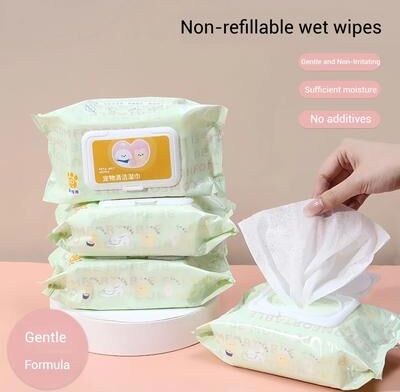
Inspire Curations PETCLEAR Pet Eye Cleaning Wipes For Tear Stain Removal & Daily Hygiene PETCLEAR Pet Eye Cleaning Wipes For Tear Stain Removal & Daily HygieneKeep your pets eyes fresh, clean, and comfortable with these pet eye wipes specially designed to help remove tear stains, dirt, and buildup around sensitive eye areas. With 200 premoistened wipes included, this convenient cleaning solution supports...58,00 $*Shipping: 0,00 $Secure redirect to the provider
-
Uplifted Finds Epidermal Sanitization Inventory (3 Pack Hub) Epidermal Sanitization Inventory (3 Pack Hub)Optimize your pets dermatological hygiene and ocular clarity with the Epidermal Sanitization Inventory, a professionalgrade maintenance system engineered with aqueouscleansing logic. This highutility 240unit logistics package features a specialized...111,97 $*Shipping: 0,00 $Secure redirect to the provider
-
Uplift Essentials Soothing Pet Eye Cleaning Wipes Advanced Tear Stain Remover And Hygiene Tissues Soothing Pet Eye Cleaning Wipes Advanced Tear Stain Remover And Hygiene TissuesThe Gentle Solution for Bright, Healthy, and StainFree EyesRestore the natural beauty of your pet's face with a specialized grooming solution designed for the most sensitive areas. These pet eye cleaning wipes are the ultimate solution for owners of...41,97 $*Shipping: 0,00 $Secure redirect to the provider
-
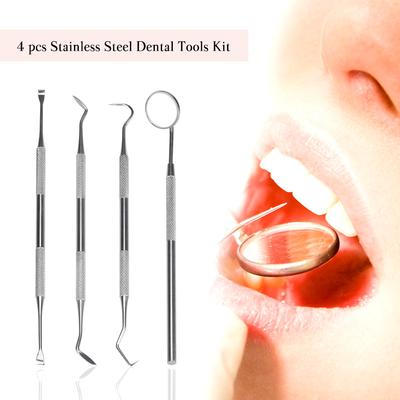
Friendly Fresh Finds Dental Hygiene Kit Plaque Remover And Tartar Scraper Set For Teeth Cleaning Dental Hygiene Kit Plaque Remover And Tartar Scraper Set For Teeth CleaningExperience a professionalgrade teeth cleaning at home with our 4Pcs Dental Hygiene Kit. Perfect for anyone who wants to maintain their oral health with precision, this set includes everything you need to remove tartar, plaque, and dental calculus....31,97 $*Shipping: 0,00 $Secure redirect to the provider


-
What do you think of mummification with duct tape?
Mummification with duct tape is not a traditional or historically accurate method of preserving a body. Duct tape is not designed for this purpose and may not effectively prevent decomposition. It is important to respect cultural practices and use proper methods when handling human remains. **
-
What do you think about mummification with duct tape?
Mummification with duct tape seems like a creative and unconventional approach to preserving a body. However, it is not a traditional or scientifically proven method of mummification. The use of duct tape may not provide the same level of preservation and care as the ancient Egyptian mummification process, which involved removing organs and using natural preservatives. It's important to approach the topic with respect for cultural traditions and scientific methods of preservation. **
-
Was mummification in ancient Egypt also a punishment for criminals?
No, mummification in ancient Egypt was not a punishment for criminals. Mummification was a sacred and ritualistic process that was reserved for the elite and those of high social status, such as pharaohs, nobles, and priests. It was believed to be a way to preserve the body for the afterlife and ensure the individual's continued existence in the next world. Criminals and lower-class individuals were typically buried in simpler graves without the elaborate mummification process. **
-
Were Egyptian mummies rich before mummification, or could anyone be mummified?
In ancient Egypt, mummification was a practice that was primarily reserved for the wealthy and elite members of society. The process of mummification was expensive and time-consuming, involving various rituals and preservation techniques. Therefore, only those who could afford it, such as pharaohs, nobles, and high-ranking officials, were mummified. Common people in ancient Egypt were typically buried in simpler graves without the elaborate mummification process. **

Were Egyptian mummies wealthy before mummification, or could anyone be mummified?
In ancient Egypt, mummification was a practice available to individuals from various social classes, not just the wealthy. While wealthier individuals could afford more elaborate mummification processes and burial goods, mummification was not exclusive to the wealthy. Commoners and individuals of lower social status could also be mummified, although their mummification process and burial would likely be simpler in comparison to those of the wealthy. The belief in the afterlife and the preservation of the body through mummification was an important aspect of Egyptian culture, accessible to a range of individuals in society. **
Why were the organs removed during mummification, but not the heart?
The organs were removed during mummification because they were believed to be unnecessary in the afterlife, and the removal also helped to prevent decay. However, the heart was left in place because it was considered to be the center of a person's being and the source of their emotions and intellect. It was believed that the heart would be needed in the afterlife for the individual to be able to speak and think. Therefore, the heart was left intact and preserved in the body during the mummification process. **
Top-Angebote
Products related to Mummification:
-
Uplift Essentials Advanced Hygiene & Freshness Maintenance Essentials yellowMaintain the peak performance of your automated pet care system with the Advanced Hygiene Maintenance Essentials. This specialized collection of refills is designed to keep your hightech pet furniture operating at maximum efficiency while ensuring...73,97 $*Shipping: 0,00 $Secure redirect to the provider
-
Uplifted Finds Phyto Dermal Dental Sanitization Hub Phyto Dermal Dental Sanitization HubOptimize your pets oral hygiene and metabolic relaxation with the PhytoDermal Dental Sanitization Hub, a professionalgrade mastication module engineered with biologicalabrasion logic. This highutility enrichment unit features a specialized pure...35,97 $*Shipping: 0,00 $Secure redirect to the provider
-
Inspire Curations PETCLEAR Pet Eye Cleaning Wipes For Tear Stain Removal & Daily Hygiene PETCLEAR Pet Eye Cleaning Wipes For Tear Stain Removal & Daily HygieneKeep your pets eyes fresh, clean, and comfortable with these pet eye wipes specially designed to help remove tear stains, dirt, and buildup around sensitive eye areas. With 200 premoistened wipes included, this convenient cleaning solution supports...58,00 $*Shipping: 0,00 $Secure redirect to the provider
-
Uplifted Finds Epidermal Sanitization Inventory (3 Pack Hub) Epidermal Sanitization Inventory (3 Pack Hub)Optimize your pets dermatological hygiene and ocular clarity with the Epidermal Sanitization Inventory, a professionalgrade maintenance system engineered with aqueouscleansing logic. This highutility 240unit logistics package features a specialized...111,97 $*Shipping: 0,00 $Secure redirect to the provider
-
What is self-mummification?
Self-mummification, also known as sokushinbutsu, is a process practiced by Buddhist monks in Japan during the 11th to 19th centuries. It involves a strict diet and meditation regimen to eliminate body fat and moisture, followed by being buried alive in a small underground chamber with a breathing tube and bell. The monk would continue meditating until death, at which point the tomb would be sealed. Over several years, the body would naturally mummify due to the lack of moisture and oxygen, resulting in a preserved and revered relic. This practice was believed to demonstrate the monk's spiritual enlightenment and dedication to the path of enlightenment. **
-
What is the difference between mummification and embalming?
Mummification and embalming are both processes used to preserve a body after death, but they have different cultural and historical origins. Mummification is a method of preservation that was practiced in ancient Egypt, where the body was dehydrated and wrapped in linen bandages. Embalming, on the other hand, is a more modern process that involves the use of chemicals to temporarily preserve the body for viewing at a funeral or memorial service. While mummification was associated with religious beliefs and the afterlife in ancient Egypt, embalming is often used in contemporary Western cultures for practical and aesthetic reasons. **
-
What do you think of mummification with duct tape?
Mummification with duct tape is not a traditional or historically accurate method of preserving a body. Duct tape is not designed for this purpose and may not effectively prevent decomposition. It is important to respect cultural practices and use proper methods when handling human remains. **
-
What do you think about mummification with duct tape?
Mummification with duct tape seems like a creative and unconventional approach to preserving a body. However, it is not a traditional or scientifically proven method of mummification. The use of duct tape may not provide the same level of preservation and care as the ancient Egyptian mummification process, which involved removing organs and using natural preservatives. It's important to approach the topic with respect for cultural traditions and scientific methods of preservation. **
Similar search terms for Mummification
-
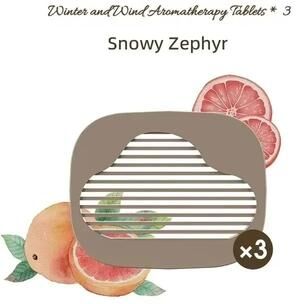
Uplift Essentials Soothing Pet Eye Cleaning Wipes Advanced Tear Stain Remover And Hygiene Tissues Soothing Pet Eye Cleaning Wipes Advanced Tear Stain Remover And Hygiene TissuesThe Gentle Solution for Bright, Healthy, and StainFree EyesRestore the natural beauty of your pet's face with a specialized grooming solution designed for the most sensitive areas. These pet eye cleaning wipes are the ultimate solution for owners of...41,97 $*Shipping: 0,00 $Secure redirect to the provider
-
Friendly Fresh Finds Dental Hygiene Kit Plaque Remover And Tartar Scraper Set For Teeth Cleaning Dental Hygiene Kit Plaque Remover And Tartar Scraper Set For Teeth CleaningExperience a professionalgrade teeth cleaning at home with our 4Pcs Dental Hygiene Kit. Perfect for anyone who wants to maintain their oral health with precision, this set includes everything you need to remove tartar, plaque, and dental calculus....31,97 $*Shipping: 0,00 $Secure redirect to the provider
-
Uplift Essentials Advanced Hygiene & Freshness Maintenance Essentials whiteMaintain the peak performance of your automated pet care system with the Advanced Hygiene Maintenance Essentials. This specialized collection of refills is designed to keep your hightech pet furniture operating at maximum efficiency while ensuring...73,97 $*Shipping: 0,00 $Secure redirect to the provider
-
Was mummification in ancient Egypt also a punishment for criminals?
No, mummification in ancient Egypt was not a punishment for criminals. Mummification was a sacred and ritualistic process that was reserved for the elite and those of high social status, such as pharaohs, nobles, and priests. It was believed to be a way to preserve the body for the afterlife and ensure the individual's continued existence in the next world. Criminals and lower-class individuals were typically buried in simpler graves without the elaborate mummification process. **
-
Were Egyptian mummies rich before mummification, or could anyone be mummified?
In ancient Egypt, mummification was a practice that was primarily reserved for the wealthy and elite members of society. The process of mummification was expensive and time-consuming, involving various rituals and preservation techniques. Therefore, only those who could afford it, such as pharaohs, nobles, and high-ranking officials, were mummified. Common people in ancient Egypt were typically buried in simpler graves without the elaborate mummification process. **
-
Were Egyptian mummies wealthy before mummification, or could anyone be mummified?
In ancient Egypt, mummification was a practice available to individuals from various social classes, not just the wealthy. While wealthier individuals could afford more elaborate mummification processes and burial goods, mummification was not exclusive to the wealthy. Commoners and individuals of lower social status could also be mummified, although their mummification process and burial would likely be simpler in comparison to those of the wealthy. The belief in the afterlife and the preservation of the body through mummification was an important aspect of Egyptian culture, accessible to a range of individuals in society. **
-
Why were the organs removed during mummification, but not the heart?
The organs were removed during mummification because they were believed to be unnecessary in the afterlife, and the removal also helped to prevent decay. However, the heart was left in place because it was considered to be the center of a person's being and the source of their emotions and intellect. It was believed that the heart would be needed in the afterlife for the individual to be able to speak and think. Therefore, the heart was left intact and preserved in the body during the mummification process. **
* All prices are inclusive of VAT and, if applicable, plus shipping costs. The offer information is based on the details provided by the respective shop and is updated through automated processes. Real-time updates do not occur, so deviations can occur in individual cases. ** Note: Parts of this content were created by AI.