Buy reinraumreinigung.eu ?
We are moving the project
reinraumreinigung.eu .
Are you interested in purchasing the domain
reinraumreinigung.eu ?
domain@kv-gmbh.de · 0541-91531010
Buy reinraumreinigung.eu ?
What are Huns?
The Huns were a nomadic group of people who originated from the steppes of Central Asia. They were known for their fierce warrior culture and their skilled horsemanship. The Huns were a significant threat to the Roman Empire and other civilizations during the late antiquity period, as they launched devastating raids and invasions across Europe and Asia. Under the leadership of Attila the Hun, they established a powerful empire that posed a significant challenge to the Roman Empire. **
Are there still Huns today?
The Huns as an ancient nomadic group no longer exist today. However, there are still descendants of the Huns living in various parts of the world, particularly in Central Asia and Eastern Europe. These descendants have integrated into modern societies and may not identify themselves as Huns, but they carry the genetic and cultural legacy of their ancestors. The Huns' impact on history and their descendants' presence today serve as a reminder of the interconnectedness of human history and the enduring influence of ancient civilizations. **

Similar search terms for Huns
Top-Angebote
Products related to Huns:
-
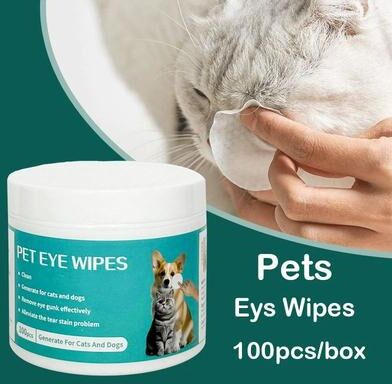
Inspire Curations PETCLEAR Pet Eye Cleaning Wipes For Tear Stain Removal & Daily Hygiene PETCLEAR Pet Eye Cleaning Wipes For Tear Stain Removal & Daily HygieneKeep your pets eyes fresh, clean, and comfortable with these pet eye wipes specially designed to help remove tear stains, dirt, and buildup around sensitive eye areas. With 200 premoistened wipes included, this convenient cleaning solution supports...58,00 $*Shipping: 0,00 $Secure redirect to the provider
-
Uplifted Finds Epidermal Sanitization Inventory (3 Pack Hub) Epidermal Sanitization Inventory (3 Pack Hub)Optimize your pets dermatological hygiene and ocular clarity with the Epidermal Sanitization Inventory, a professionalgrade maintenance system engineered with aqueouscleansing logic. This highutility 240unit logistics package features a specialized...111,97 $*Shipping: 0,00 $Secure redirect to the provider
-
Uplift Essentials Soothing Pet Eye Cleaning Wipes Advanced Tear Stain Remover And Hygiene Tissues Soothing Pet Eye Cleaning Wipes Advanced Tear Stain Remover And Hygiene TissuesThe Gentle Solution for Bright, Healthy, and StainFree EyesRestore the natural beauty of your pet's face with a specialized grooming solution designed for the most sensitive areas. These pet eye cleaning wipes are the ultimate solution for owners of...41,97 $*Shipping: 0,00 $Secure redirect to the provider
-
Friendly Fresh Finds Dental Hygiene Kit Plaque Remover And Tartar Scraper Set For Teeth Cleaning Dental Hygiene Kit Plaque Remover And Tartar Scraper Set For Teeth CleaningExperience a professionalgrade teeth cleaning at home with our 4Pcs Dental Hygiene Kit. Perfect for anyone who wants to maintain their oral health with precision, this set includes everything you need to remove tartar, plaque, and dental calculus....31,97 $*Shipping: 0,00 $Secure redirect to the provider



-
Where do the Huns originate from?
The Huns were a nomadic group of people who originated from the steppes of Central Asia, specifically from the region of modern-day Mongolia. They were known for their skilled horsemanship and their ability to traverse vast distances on horseback. The Huns eventually migrated westward, coming into contact with various civilizations and empires, including the Roman Empire. Their aggressive and warlike nature led to conflicts with these settled societies, and they became a significant force in shaping the history of Europe and Asia during the late antiquity period. **
-
Why are Germans abroad referred to as Huns?
Germans abroad are sometimes referred to as Huns due to historical associations with the ancient Huns, a nomadic warrior people who were known for their military prowess and aggression. During World War I, British and American propaganda often depicted Germans as barbaric and ruthless, drawing parallels between them and the Huns. This negative portrayal led to the use of the term "Huns" as a derogatory nickname for Germans. However, it is important to note that this term is considered offensive and should not be used to describe Germans. **
-
What are the differences and similarities between the Huns and the Mongols?
The Huns and the Mongols were both nomadic warrior groups that originated from the steppes of Central Asia. Both groups were known for their fierce military tactics and their ability to conquer vast territories. However, there are also significant differences between the two groups. The Huns were active in Europe during the late Roman Empire, while the Mongols emerged in the 13th century and conquered much of Asia and Eastern Europe. Additionally, the Huns were known for their raids and invasions, while the Mongols established a vast empire and were known for their administrative and cultural achievements. **
-
How many children and wives did Attila, the King of the Huns, have?
Attila, the King of the Huns, had multiple wives, but the exact number is not definitively known. He is believed to have had several children, including Ellac, Dengizich, and Ernak. Attila's sons played significant roles in the Hunnic Empire after his death, with Ellac succeeding him as king. **


Is the Sagrotan disinfection hygiene rinse a biocide?
Yes, the Sagrotan disinfection hygiene rinse is considered a biocide. Biocides are substances that are intended to destroy, deter, render harmless, or exert a controlling effect on any harmful organism. The Sagrotan disinfection hygiene rinse is designed to kill bacteria and viruses on surfaces, making it a type of biocide. It is important to use biocides according to the manufacturer's instructions to ensure safe and effective disinfection. **
Why were the Germans often referred to as Huns in the First World War?
The term "Huns" was used to dehumanize and demonize the German soldiers during World War I. The comparison to the Huns, a group known for their brutality and savagery, was meant to portray the Germans as ruthless and barbaric. This propaganda tactic was used to boost morale among Allied forces and to justify the war effort against the Germans. The use of the term "Huns" helped to create a negative image of the enemy and rally support for the war. **
Top-Angebote
Products related to Huns:
-
Uplift Essentials Advanced Hygiene & Freshness Maintenance Essentials yellowMaintain the peak performance of your automated pet care system with the Advanced Hygiene Maintenance Essentials. This specialized collection of refills is designed to keep your hightech pet furniture operating at maximum efficiency while ensuring...73,97 $*Shipping: 0,00 $Secure redirect to the provider
-
Uplifted Finds Phyto Dermal Dental Sanitization Hub Phyto Dermal Dental Sanitization HubOptimize your pets oral hygiene and metabolic relaxation with the PhytoDermal Dental Sanitization Hub, a professionalgrade mastication module engineered with biologicalabrasion logic. This highutility enrichment unit features a specialized pure...35,97 $*Shipping: 0,00 $Secure redirect to the provider
-
Inspire Curations PETCLEAR Pet Eye Cleaning Wipes For Tear Stain Removal & Daily Hygiene PETCLEAR Pet Eye Cleaning Wipes For Tear Stain Removal & Daily HygieneKeep your pets eyes fresh, clean, and comfortable with these pet eye wipes specially designed to help remove tear stains, dirt, and buildup around sensitive eye areas. With 200 premoistened wipes included, this convenient cleaning solution supports...58,00 $*Shipping: 0,00 $Secure redirect to the provider
-
Uplifted Finds Epidermal Sanitization Inventory (3 Pack Hub) Epidermal Sanitization Inventory (3 Pack Hub)Optimize your pets dermatological hygiene and ocular clarity with the Epidermal Sanitization Inventory, a professionalgrade maintenance system engineered with aqueouscleansing logic. This highutility 240unit logistics package features a specialized...111,97 $*Shipping: 0,00 $Secure redirect to the provider
-
What are Huns?
The Huns were a nomadic group of people who originated from the steppes of Central Asia. They were known for their fierce warrior culture and their skilled horsemanship. The Huns were a significant threat to the Roman Empire and other civilizations during the late antiquity period, as they launched devastating raids and invasions across Europe and Asia. Under the leadership of Attila the Hun, they established a powerful empire that posed a significant challenge to the Roman Empire. **
-
Are there still Huns today?
The Huns as an ancient nomadic group no longer exist today. However, there are still descendants of the Huns living in various parts of the world, particularly in Central Asia and Eastern Europe. These descendants have integrated into modern societies and may not identify themselves as Huns, but they carry the genetic and cultural legacy of their ancestors. The Huns' impact on history and their descendants' presence today serve as a reminder of the interconnectedness of human history and the enduring influence of ancient civilizations. **
-
Where do the Huns originate from?
The Huns were a nomadic group of people who originated from the steppes of Central Asia, specifically from the region of modern-day Mongolia. They were known for their skilled horsemanship and their ability to traverse vast distances on horseback. The Huns eventually migrated westward, coming into contact with various civilizations and empires, including the Roman Empire. Their aggressive and warlike nature led to conflicts with these settled societies, and they became a significant force in shaping the history of Europe and Asia during the late antiquity period. **
-
Why are Germans abroad referred to as Huns?
Germans abroad are sometimes referred to as Huns due to historical associations with the ancient Huns, a nomadic warrior people who were known for their military prowess and aggression. During World War I, British and American propaganda often depicted Germans as barbaric and ruthless, drawing parallels between them and the Huns. This negative portrayal led to the use of the term "Huns" as a derogatory nickname for Germans. However, it is important to note that this term is considered offensive and should not be used to describe Germans. **
Similar search terms for Huns
-
Uplift Essentials Soothing Pet Eye Cleaning Wipes Advanced Tear Stain Remover And Hygiene Tissues Soothing Pet Eye Cleaning Wipes Advanced Tear Stain Remover And Hygiene TissuesThe Gentle Solution for Bright, Healthy, and StainFree EyesRestore the natural beauty of your pet's face with a specialized grooming solution designed for the most sensitive areas. These pet eye cleaning wipes are the ultimate solution for owners of...41,97 $*Shipping: 0,00 $Secure redirect to the provider
-
Friendly Fresh Finds Dental Hygiene Kit Plaque Remover And Tartar Scraper Set For Teeth Cleaning Dental Hygiene Kit Plaque Remover And Tartar Scraper Set For Teeth CleaningExperience a professionalgrade teeth cleaning at home with our 4Pcs Dental Hygiene Kit. Perfect for anyone who wants to maintain their oral health with precision, this set includes everything you need to remove tartar, plaque, and dental calculus....31,97 $*Shipping: 0,00 $Secure redirect to the provider
-
Uplift Essentials Advanced Hygiene & Freshness Maintenance Essentials whiteMaintain the peak performance of your automated pet care system with the Advanced Hygiene Maintenance Essentials. This specialized collection of refills is designed to keep your hightech pet furniture operating at maximum efficiency while ensuring...73,97 $*Shipping: 0,00 $Secure redirect to the provider
-
What are the differences and similarities between the Huns and the Mongols?
The Huns and the Mongols were both nomadic warrior groups that originated from the steppes of Central Asia. Both groups were known for their fierce military tactics and their ability to conquer vast territories. However, there are also significant differences between the two groups. The Huns were active in Europe during the late Roman Empire, while the Mongols emerged in the 13th century and conquered much of Asia and Eastern Europe. Additionally, the Huns were known for their raids and invasions, while the Mongols established a vast empire and were known for their administrative and cultural achievements. **
-
How many children and wives did Attila, the King of the Huns, have?
Attila, the King of the Huns, had multiple wives, but the exact number is not definitively known. He is believed to have had several children, including Ellac, Dengizich, and Ernak. Attila's sons played significant roles in the Hunnic Empire after his death, with Ellac succeeding him as king. **
-
Is the Sagrotan disinfection hygiene rinse a biocide?
Yes, the Sagrotan disinfection hygiene rinse is considered a biocide. Biocides are substances that are intended to destroy, deter, render harmless, or exert a controlling effect on any harmful organism. The Sagrotan disinfection hygiene rinse is designed to kill bacteria and viruses on surfaces, making it a type of biocide. It is important to use biocides according to the manufacturer's instructions to ensure safe and effective disinfection. **
-
Why were the Germans often referred to as Huns in the First World War?
The term "Huns" was used to dehumanize and demonize the German soldiers during World War I. The comparison to the Huns, a group known for their brutality and savagery, was meant to portray the Germans as ruthless and barbaric. This propaganda tactic was used to boost morale among Allied forces and to justify the war effort against the Germans. The use of the term "Huns" helped to create a negative image of the enemy and rally support for the war. **
* All prices are inclusive of VAT and, if applicable, plus shipping costs. The offer information is based on the details provided by the respective shop and is updated through automated processes. Real-time updates do not occur, so deviations can occur in individual cases. ** Note: Parts of this content were created by AI.