Buy reinraumreinigung.eu ?
We are moving the project
reinraumreinigung.eu .
Are you interested in purchasing the domain
reinraumreinigung.eu ?
domain@kv-gmbh.de · 0541-91531010
Buy reinraumreinigung.eu ?
Are inhaled pesticides harmful?
Inhaled pesticides can be harmful to human health, as they can irritate the respiratory system and cause symptoms such as coughing, wheezing, and shortness of breath. Long-term exposure to inhaled pesticides can also increase the risk of developing respiratory conditions such as asthma and chronic obstructive pulmonary disease (COPD). Additionally, some pesticides may contain toxic chemicals that can be harmful if inhaled, leading to more serious health effects. It is important to take precautions when using pesticides and to follow safety guidelines to minimize the risk of inhalation exposure. **
Are there tampons without pesticides?
Yes, there are tampons available that are made without the use of pesticides. Many organic tampon brands specifically advertise that their products are made without the use of pesticides, synthetic materials, and chemicals. These tampons are made from organic cotton, which is grown without the use of synthetic pesticides or fertilizers. Choosing organic tampons can be a good option for those looking to reduce their exposure to potentially harmful chemicals. **

Similar search terms for Pesticides
Top-Angebote
Products related to Pesticides:
-
Uplifted Finds Phyto Dermal Dental Sanitization Hub Phyto Dermal Dental Sanitization HubOptimize your pets oral hygiene and metabolic relaxation with the PhytoDermal Dental Sanitization Hub, a professionalgrade mastication module engineered with biologicalabrasion logic. This highutility enrichment unit features a specialized pure...35,97 $*Shipping: 0,00 $Secure redirect to the provider
-
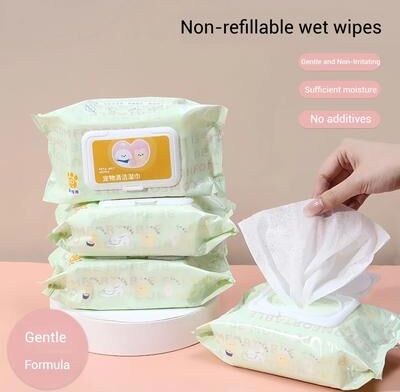
Inspire Curations PETCLEAR Pet Eye Cleaning Wipes For Tear Stain Removal & Daily Hygiene PETCLEAR Pet Eye Cleaning Wipes For Tear Stain Removal & Daily HygieneKeep your pets eyes fresh, clean, and comfortable with these pet eye wipes specially designed to help remove tear stains, dirt, and buildup around sensitive eye areas. With 200 premoistened wipes included, this convenient cleaning solution supports...58,00 $*Shipping: 0,00 $Secure redirect to the provider
-
Uplifted Finds Epidermal Sanitization Inventory (3 Pack Hub) Epidermal Sanitization Inventory (3 Pack Hub)Optimize your pets dermatological hygiene and ocular clarity with the Epidermal Sanitization Inventory, a professionalgrade maintenance system engineered with aqueouscleansing logic. This highutility 240unit logistics package features a specialized...111,97 $*Shipping: 0,00 $Secure redirect to the provider
-
Uplift Essentials Soothing Pet Eye Cleaning Wipes Advanced Tear Stain Remover And Hygiene Tissues Soothing Pet Eye Cleaning Wipes Advanced Tear Stain Remover And Hygiene TissuesThe Gentle Solution for Bright, Healthy, and StainFree EyesRestore the natural beauty of your pet's face with a specialized grooming solution designed for the most sensitive areas. These pet eye cleaning wipes are the ultimate solution for owners of...41,97 $*Shipping: 0,00 $Secure redirect to the provider



-
What do pesticides and defoliants mean?
Pesticides are substances used to control or eliminate pests such as insects, weeds, and fungi that can damage crops or spread diseases. They can be synthetic chemicals or natural substances and are used to protect plants and improve agricultural productivity. Defoliants, on the other hand, are chemicals used to strip leaves from plants, often as a means of destroying crops or vegetation. They are sometimes used in warfare to expose enemy positions or in agriculture to facilitate harvesting. Both pesticides and defoliants have potential environmental and health impacts and must be used carefully and responsibly. **
-
Do pesticides on fruits taste bitter?
Pesticides themselves do not have a taste, but some fruits may taste bitter if they have been treated with certain types of pesticides. This can happen if the pesticides are not properly washed off before the fruit is consumed. Additionally, some people may be more sensitive to the taste of pesticides and may perceive a bitter taste even if the levels are within safe limits. It is important to thoroughly wash fruits before consuming them to reduce the risk of ingesting any pesticide residue. **
-
Do pesticides on fruit taste bitter?
Pesticides themselves do not have a taste, but some fruits may have a bitter taste if they have been treated with certain types of pesticides. This is because some pesticides can leave a residue on the surface of the fruit, which can affect its taste. However, the bitterness of the fruit may also be influenced by other factors such as ripeness and variety. It is important to wash fruits thoroughly before consuming them to remove any pesticide residue. **
-
Can pesticides be avoided in honey?
Pesticides can be avoided in honey through organic beekeeping practices. Organic beekeepers use natural methods to control pests and diseases, such as maintaining strong and healthy hives, using essential oils and natural repellents, and practicing good hive management. By avoiding the use of synthetic pesticides and chemicals in and around the hives, organic beekeepers can produce honey that is free from pesticide residues. Consumers can look for organic honey products to ensure that they are supporting beekeepers who prioritize natural and sustainable practices. **

How can one remove pesticides from frozen fruits?
One way to remove pesticides from frozen fruits is to wash them thoroughly under running water. This can help to remove some of the pesticide residue on the surface of the fruits. Another method is to soak the frozen fruits in a solution of water and vinegar, which can help to break down and remove pesticide residues. Additionally, peeling the skin of the fruits can also help to reduce pesticide exposure. It's important to note that while these methods can help reduce pesticide residue, they may not completely eliminate all traces of pesticides. **
When should one always use pesticides before flowering?
One should always use pesticides before flowering when dealing with pests or diseases that are known to cause significant damage during the flowering stage. By applying pesticides before flowering, one can prevent the pests or diseases from establishing a strong presence and causing harm to the plant during this critical stage of growth. Additionally, using pesticides before flowering can help protect the plant's health and ensure a successful flowering period without interference from pests or diseases. It is important to carefully follow the instructions on the pesticide label and consider the specific needs of the plant to determine the best timing for application. **
Top-Angebote
Products related to Pesticides:
-
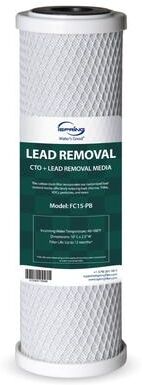
iSpring FC15-PB Certified Water Filter – Removes up to 99% Lead, Reduces Chlorine, THMs, VOCs, Pesticides, and More, SGS-testedSGS-Tested Lead Reduction: The FC15-PB carbon block filter is equipped with specialized lead-removal media, proven to reduce up to 99% of lead for safer, cleaner drinking water.79,99 $*Shipping: 0,00 $Secure redirect to the provider
-
Uplift Essentials Advanced Hygiene & Freshness Maintenance Essentials yellowMaintain the peak performance of your automated pet care system with the Advanced Hygiene Maintenance Essentials. This specialized collection of refills is designed to keep your hightech pet furniture operating at maximum efficiency while ensuring...73,97 $*Shipping: 0,00 $Secure redirect to the provider
-
Uplifted Finds Phyto Dermal Dental Sanitization Hub Phyto Dermal Dental Sanitization HubOptimize your pets oral hygiene and metabolic relaxation with the PhytoDermal Dental Sanitization Hub, a professionalgrade mastication module engineered with biologicalabrasion logic. This highutility enrichment unit features a specialized pure...35,97 $*Shipping: 0,00 $Secure redirect to the provider
-
Inspire Curations PETCLEAR Pet Eye Cleaning Wipes For Tear Stain Removal & Daily Hygiene PETCLEAR Pet Eye Cleaning Wipes For Tear Stain Removal & Daily HygieneKeep your pets eyes fresh, clean, and comfortable with these pet eye wipes specially designed to help remove tear stains, dirt, and buildup around sensitive eye areas. With 200 premoistened wipes included, this convenient cleaning solution supports...58,00 $*Shipping: 0,00 $Secure redirect to the provider
-
Are inhaled pesticides harmful?
Inhaled pesticides can be harmful to human health, as they can irritate the respiratory system and cause symptoms such as coughing, wheezing, and shortness of breath. Long-term exposure to inhaled pesticides can also increase the risk of developing respiratory conditions such as asthma and chronic obstructive pulmonary disease (COPD). Additionally, some pesticides may contain toxic chemicals that can be harmful if inhaled, leading to more serious health effects. It is important to take precautions when using pesticides and to follow safety guidelines to minimize the risk of inhalation exposure. **
-
Are there tampons without pesticides?
Yes, there are tampons available that are made without the use of pesticides. Many organic tampon brands specifically advertise that their products are made without the use of pesticides, synthetic materials, and chemicals. These tampons are made from organic cotton, which is grown without the use of synthetic pesticides or fertilizers. Choosing organic tampons can be a good option for those looking to reduce their exposure to potentially harmful chemicals. **
-
What do pesticides and defoliants mean?
Pesticides are substances used to control or eliminate pests such as insects, weeds, and fungi that can damage crops or spread diseases. They can be synthetic chemicals or natural substances and are used to protect plants and improve agricultural productivity. Defoliants, on the other hand, are chemicals used to strip leaves from plants, often as a means of destroying crops or vegetation. They are sometimes used in warfare to expose enemy positions or in agriculture to facilitate harvesting. Both pesticides and defoliants have potential environmental and health impacts and must be used carefully and responsibly. **
-
Do pesticides on fruits taste bitter?
Pesticides themselves do not have a taste, but some fruits may taste bitter if they have been treated with certain types of pesticides. This can happen if the pesticides are not properly washed off before the fruit is consumed. Additionally, some people may be more sensitive to the taste of pesticides and may perceive a bitter taste even if the levels are within safe limits. It is important to thoroughly wash fruits before consuming them to reduce the risk of ingesting any pesticide residue. **
Similar search terms for Pesticides
-
Uplifted Finds Epidermal Sanitization Inventory (3 Pack Hub) Epidermal Sanitization Inventory (3 Pack Hub)Optimize your pets dermatological hygiene and ocular clarity with the Epidermal Sanitization Inventory, a professionalgrade maintenance system engineered with aqueouscleansing logic. This highutility 240unit logistics package features a specialized...111,97 $*Shipping: 0,00 $Secure redirect to the provider
-
Uplift Essentials Soothing Pet Eye Cleaning Wipes Advanced Tear Stain Remover And Hygiene Tissues Soothing Pet Eye Cleaning Wipes Advanced Tear Stain Remover And Hygiene TissuesThe Gentle Solution for Bright, Healthy, and StainFree EyesRestore the natural beauty of your pet's face with a specialized grooming solution designed for the most sensitive areas. These pet eye cleaning wipes are the ultimate solution for owners of...41,97 $*Shipping: 0,00 $Secure redirect to the provider
-
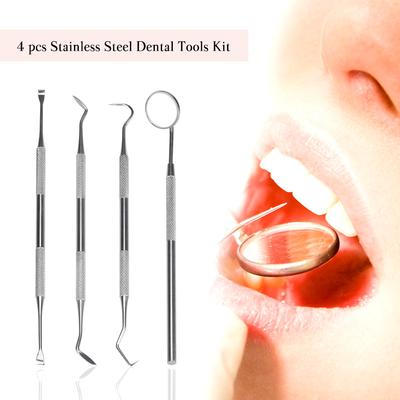
Friendly Fresh Finds Dental Hygiene Kit Plaque Remover And Tartar Scraper Set For Teeth Cleaning Dental Hygiene Kit Plaque Remover And Tartar Scraper Set For Teeth CleaningExperience a professionalgrade teeth cleaning at home with our 4Pcs Dental Hygiene Kit. Perfect for anyone who wants to maintain their oral health with precision, this set includes everything you need to remove tartar, plaque, and dental calculus....31,97 $*Shipping: 0,00 $Secure redirect to the provider
-
Uplift Essentials Advanced Hygiene & Freshness Maintenance Essentials whiteMaintain the peak performance of your automated pet care system with the Advanced Hygiene Maintenance Essentials. This specialized collection of refills is designed to keep your hightech pet furniture operating at maximum efficiency while ensuring...73,97 $*Shipping: 0,00 $Secure redirect to the provider
-
Do pesticides on fruit taste bitter?
Pesticides themselves do not have a taste, but some fruits may have a bitter taste if they have been treated with certain types of pesticides. This is because some pesticides can leave a residue on the surface of the fruit, which can affect its taste. However, the bitterness of the fruit may also be influenced by other factors such as ripeness and variety. It is important to wash fruits thoroughly before consuming them to remove any pesticide residue. **
-
Can pesticides be avoided in honey?
Pesticides can be avoided in honey through organic beekeeping practices. Organic beekeepers use natural methods to control pests and diseases, such as maintaining strong and healthy hives, using essential oils and natural repellents, and practicing good hive management. By avoiding the use of synthetic pesticides and chemicals in and around the hives, organic beekeepers can produce honey that is free from pesticide residues. Consumers can look for organic honey products to ensure that they are supporting beekeepers who prioritize natural and sustainable practices. **
-
How can one remove pesticides from frozen fruits?
One way to remove pesticides from frozen fruits is to wash them thoroughly under running water. This can help to remove some of the pesticide residue on the surface of the fruits. Another method is to soak the frozen fruits in a solution of water and vinegar, which can help to break down and remove pesticide residues. Additionally, peeling the skin of the fruits can also help to reduce pesticide exposure. It's important to note that while these methods can help reduce pesticide residue, they may not completely eliminate all traces of pesticides. **
-
When should one always use pesticides before flowering?
One should always use pesticides before flowering when dealing with pests or diseases that are known to cause significant damage during the flowering stage. By applying pesticides before flowering, one can prevent the pests or diseases from establishing a strong presence and causing harm to the plant during this critical stage of growth. Additionally, using pesticides before flowering can help protect the plant's health and ensure a successful flowering period without interference from pests or diseases. It is important to carefully follow the instructions on the pesticide label and consider the specific needs of the plant to determine the best timing for application. **
* All prices are inclusive of VAT and, if applicable, plus shipping costs. The offer information is based on the details provided by the respective shop and is updated through automated processes. Real-time updates do not occur, so deviations can occur in individual cases. ** Note: Parts of this content were created by AI.