Buy reinraumreinigung.eu ?
We are moving the project
reinraumreinigung.eu .
Are you interested in purchasing the domain
reinraumreinigung.eu ?
domain@kv-gmbh.de · 0541-91531010
Buy reinraumreinigung.eu ?
Can HDMI cables be too long?
Yes, HDMI cables can be too long. The longer the HDMI cable, the more likely it is to experience signal degradation, resulting in a loss of picture or sound quality. It is generally recommended to use the shortest HDMI cable necessary for your setup to ensure optimal performance. If a longer cable is needed, it is important to choose a high-quality cable that is specifically designed for longer distances to minimize signal loss. **
Are micro-USB HDMI cables standardized?
Yes, micro-USB HDMI cables are standardized. The micro-USB and HDMI connectors have specific dimensions and pin configurations that are standardized by the USB Implementers Forum and HDMI Licensing, LLC, respectively. This means that any micro-USB HDMI cable that meets these standards should be compatible with devices that have the corresponding ports. However, it's always a good idea to check the compatibility of specific devices before purchasing a cable. **

Similar search terms for Cables-Direct-HDMI-1
Top-Angebote
Products related to Cables-Direct-HDMI-1:
-
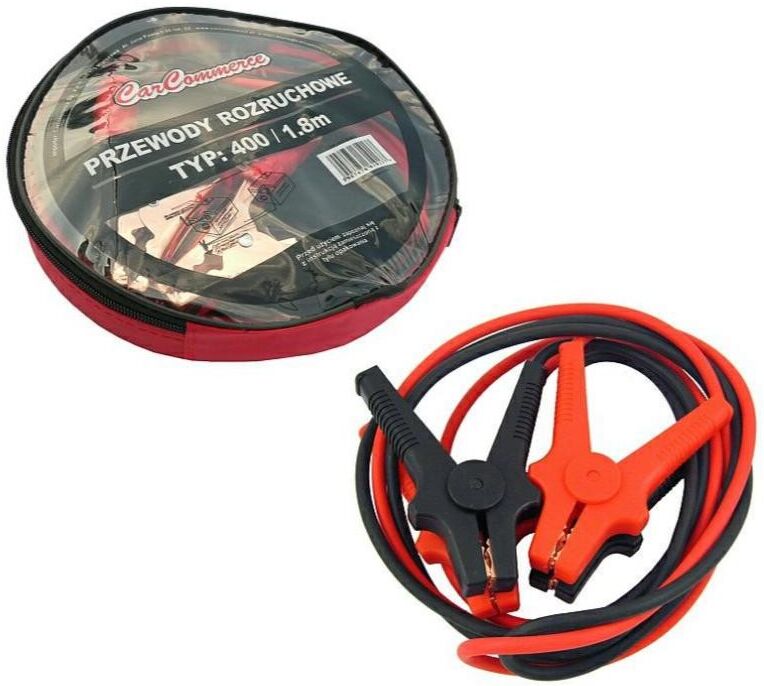
CARCOMMERCE 61012 Jumper cablesCurrent carrying capacity [A]: 200; Cable Colour: red/black; Current Strength to [A]: 200; Vehicle type: Passenger cars; Material: Copper; Length [m]: 1.8; Supplementary Article / Supplementary Info Info 2: with overvoltage protection; suited for engine type: Petrol Engine7,59 £*Shipping: 8,45 £Secure redirect to the provider
-
CARPOINT 0177925 Jumper cablesVoltage [V]: 12, 24; Cable Length [m]: 2.5; Cable Cross Section [mm²]: 25; Cable Colour: red/black; Supplementary Article / Supplementary Info: with steel plate pliers; Supplementary Article / Supplementary Info Info 2: with storage bag, with overvoltage protection; Insulated: +; Universal: Yes; suited for engine type: Diesel, Petrol Engine24,49 £*Shipping: 8,45 £Secure redirect to the provider



-
What are the differences in HDMI cables?
HDMI cables differ in terms of their version, length, and build quality. The version of the cable determines its maximum supported resolution and refresh rate, with newer versions offering higher capabilities. The length of the cable can affect the quality of the signal, with longer cables potentially experiencing signal degradation. Additionally, the build quality of the cable, including factors such as shielding and connector quality, can impact the overall performance and durability of the cable. **
-
How long can DPI and HDMI cables be?
DPI (DisplayPort) cables can typically reach up to 15 meters (49 feet) in length without any significant loss of signal quality. However, for longer distances, signal boosters or repeaters may be required to maintain signal integrity. HDMI cables, on the other hand, can reach up to 15 meters (49 feet) for standard HDMI 2.0 cables, and up to 100 meters (328 feet) for HDMI 2.0 cables with fiber optic technology. Again, for longer distances, signal boosters or extenders may be necessary to ensure a strong and clear signal. **
-
Which cables are used in an HDMI switch?
HDMI switches typically use HDMI cables to connect various devices such as gaming consoles, Blu-ray players, and streaming devices to the switch. These HDMI cables transmit high-definition audio and video signals between the devices and the switch, allowing users to easily switch between different sources on their TV or monitor. Additionally, some HDMI switches may also have additional input options such as USB-C or DisplayPort, in which case the corresponding cables would be used to connect those devices to the switch. **
-
What should one consider when buying HDMI cables?
When buying HDMI cables, one should consider the length needed for the specific setup, as longer cables can result in signal degradation. It's also important to consider the version of HDMI cable needed, as newer versions support higher resolutions and refresh rates. Additionally, one should look for cables that are certified by HDMI Licensing, LLC to ensure they meet industry standards for quality and performance. Finally, consider the build quality and materials of the cable to ensure durability and reliable performance. **


Can the newer HDMI cables display 144 Hz?
Yes, newer HDMI cables, specifically HDMI 2.0 and later versions, are capable of displaying 144 Hz. These cables have the necessary bandwidth to support higher refresh rates, making them suitable for gaming and other high-performance applications. However, it's important to ensure that both the source device and the display device also support 144 Hz in order to take full advantage of the capabilities of the HDMI cable. **
Do HDMI cables and headphones not work together?
HDMI cables and headphones can work together, but they serve different purposes. HDMI cables are used to transmit audio and video signals from a device to a display, such as a TV or monitor. Headphones, on the other hand, are used for private audio listening. While HDMI cables can transmit audio signals, they are typically used for connecting devices to displays, and headphones are used for personal audio output. However, some devices, such as gaming consoles, may have the capability to output audio through both HDMI and headphone jacks simultaneously. **
Top-Angebote
Products related to Cables-Direct-HDMI-1:
-
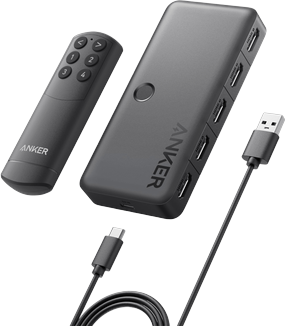
Anker HDMI Switch (4 in 1 Out, 4K HDMI)4-in-1 HDMI Switch: Expand one HDMI output into four inputs, offering you the freedom to connect more devices and switch between them without hassle. Effortless Switching: Equipped with an intuitive remote control and one-click functionality, enjoy...27,68 $*Shipping: 0,00 $Secure redirect to the provider
-
AMiO 01340 Jumper cablesCurrent Strength to [A]: 600; Colour: red, black; Packaging: Plastic case; Vehicle type: Passenger cars; Material: Copper; Length [m]: 6; Cable Cross Section [mm²]: 6; suited for engine type: Diesel, Petrol Engine; Supplementary Article / Supplementary Info Info 2: with overvoltage protection15,99 £*Shipping: 8,45 £Secure redirect to the provider
-
CARCOMMERCE 61012 Jumper cablesCurrent carrying capacity [A]: 200; Cable Colour: red/black; Current Strength to [A]: 200; Vehicle type: Passenger cars; Material: Copper; Length [m]: 1.8; Supplementary Article / Supplementary Info Info 2: with overvoltage protection; suited for engine type: Petrol Engine7,59 £*Shipping: 8,45 £Secure redirect to the provider
-
Can HDMI cables be too long?
Yes, HDMI cables can be too long. The longer the HDMI cable, the more likely it is to experience signal degradation, resulting in a loss of picture or sound quality. It is generally recommended to use the shortest HDMI cable necessary for your setup to ensure optimal performance. If a longer cable is needed, it is important to choose a high-quality cable that is specifically designed for longer distances to minimize signal loss. **
-
Are micro-USB HDMI cables standardized?
Yes, micro-USB HDMI cables are standardized. The micro-USB and HDMI connectors have specific dimensions and pin configurations that are standardized by the USB Implementers Forum and HDMI Licensing, LLC, respectively. This means that any micro-USB HDMI cable that meets these standards should be compatible with devices that have the corresponding ports. However, it's always a good idea to check the compatibility of specific devices before purchasing a cable. **
-
What are the differences in HDMI cables?
HDMI cables differ in terms of their version, length, and build quality. The version of the cable determines its maximum supported resolution and refresh rate, with newer versions offering higher capabilities. The length of the cable can affect the quality of the signal, with longer cables potentially experiencing signal degradation. Additionally, the build quality of the cable, including factors such as shielding and connector quality, can impact the overall performance and durability of the cable. **
-
How long can DPI and HDMI cables be?
DPI (DisplayPort) cables can typically reach up to 15 meters (49 feet) in length without any significant loss of signal quality. However, for longer distances, signal boosters or repeaters may be required to maintain signal integrity. HDMI cables, on the other hand, can reach up to 15 meters (49 feet) for standard HDMI 2.0 cables, and up to 100 meters (328 feet) for HDMI 2.0 cables with fiber optic technology. Again, for longer distances, signal boosters or extenders may be necessary to ensure a strong and clear signal. **
Similar search terms for Cables-Direct-HDMI-1
-
CARPOINT 0177925 Jumper cablesVoltage [V]: 12, 24; Cable Length [m]: 2.5; Cable Cross Section [mm²]: 25; Cable Colour: red/black; Supplementary Article / Supplementary Info: with steel plate pliers; Supplementary Article / Supplementary Info Info 2: with storage bag, with overvoltage protection; Insulated: +; Universal: Yes; suited for engine type: Diesel, Petrol Engine24,49 £*Shipping: 8,45 £Secure redirect to the provider
-
CARCOMMERCE 42435 Jumper cablesCable Colour: red/black; Current carrying capacity [A]: 600; Current Strength to [A]: 600; Vehicle type: Passenger cars; Material: Copper; Length [m]: 4.5; suited for engine type: Diesel, Petrol Engine; Supplementary Article / Supplementary Info Info 2: with overvoltage protection23,99 £*Shipping: 8,45 £Secure redirect to the provider
-
XL 551030 Jumper cablesLength [m]: 2.5; Material: Copper; for petrol engines to capacity [ccm]: 1500; Insulated: ; Supplementary Article / Supplementary Info Info 2: with storage bag, with overvoltage protection; Vehicle type: Passenger cars; Cable Cross Section [mm²]: 10; suited for engine type: Petrol Engine33,49 £*Shipping: 8,45 £Secure redirect to the provider
-
Which cables are used in an HDMI switch?
HDMI switches typically use HDMI cables to connect various devices such as gaming consoles, Blu-ray players, and streaming devices to the switch. These HDMI cables transmit high-definition audio and video signals between the devices and the switch, allowing users to easily switch between different sources on their TV or monitor. Additionally, some HDMI switches may also have additional input options such as USB-C or DisplayPort, in which case the corresponding cables would be used to connect those devices to the switch. **
-
What should one consider when buying HDMI cables?
When buying HDMI cables, one should consider the length needed for the specific setup, as longer cables can result in signal degradation. It's also important to consider the version of HDMI cable needed, as newer versions support higher resolutions and refresh rates. Additionally, one should look for cables that are certified by HDMI Licensing, LLC to ensure they meet industry standards for quality and performance. Finally, consider the build quality and materials of the cable to ensure durability and reliable performance. **
-
Can the newer HDMI cables display 144 Hz?
Yes, newer HDMI cables, specifically HDMI 2.0 and later versions, are capable of displaying 144 Hz. These cables have the necessary bandwidth to support higher refresh rates, making them suitable for gaming and other high-performance applications. However, it's important to ensure that both the source device and the display device also support 144 Hz in order to take full advantage of the capabilities of the HDMI cable. **
-
Do HDMI cables and headphones not work together?
HDMI cables and headphones can work together, but they serve different purposes. HDMI cables are used to transmit audio and video signals from a device to a display, such as a TV or monitor. Headphones, on the other hand, are used for private audio listening. While HDMI cables can transmit audio signals, they are typically used for connecting devices to displays, and headphones are used for personal audio output. However, some devices, such as gaming consoles, may have the capability to output audio through both HDMI and headphone jacks simultaneously. **
* All prices are inclusive of VAT and, if applicable, plus shipping costs. The offer information is based on the details provided by the respective shop and is updated through automated processes. Real-time updates do not occur, so deviations can occur in individual cases. ** Note: Parts of this content were created by AI.